
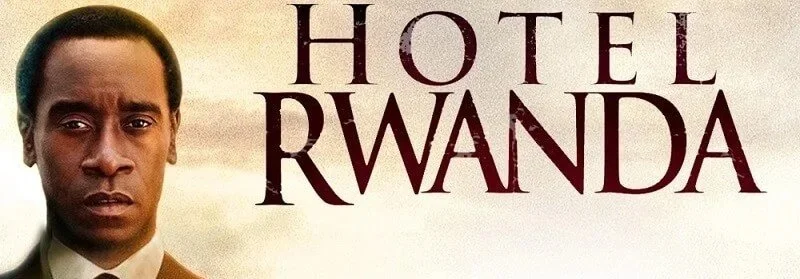
Episode 66: Hotel Rwanda (2004)
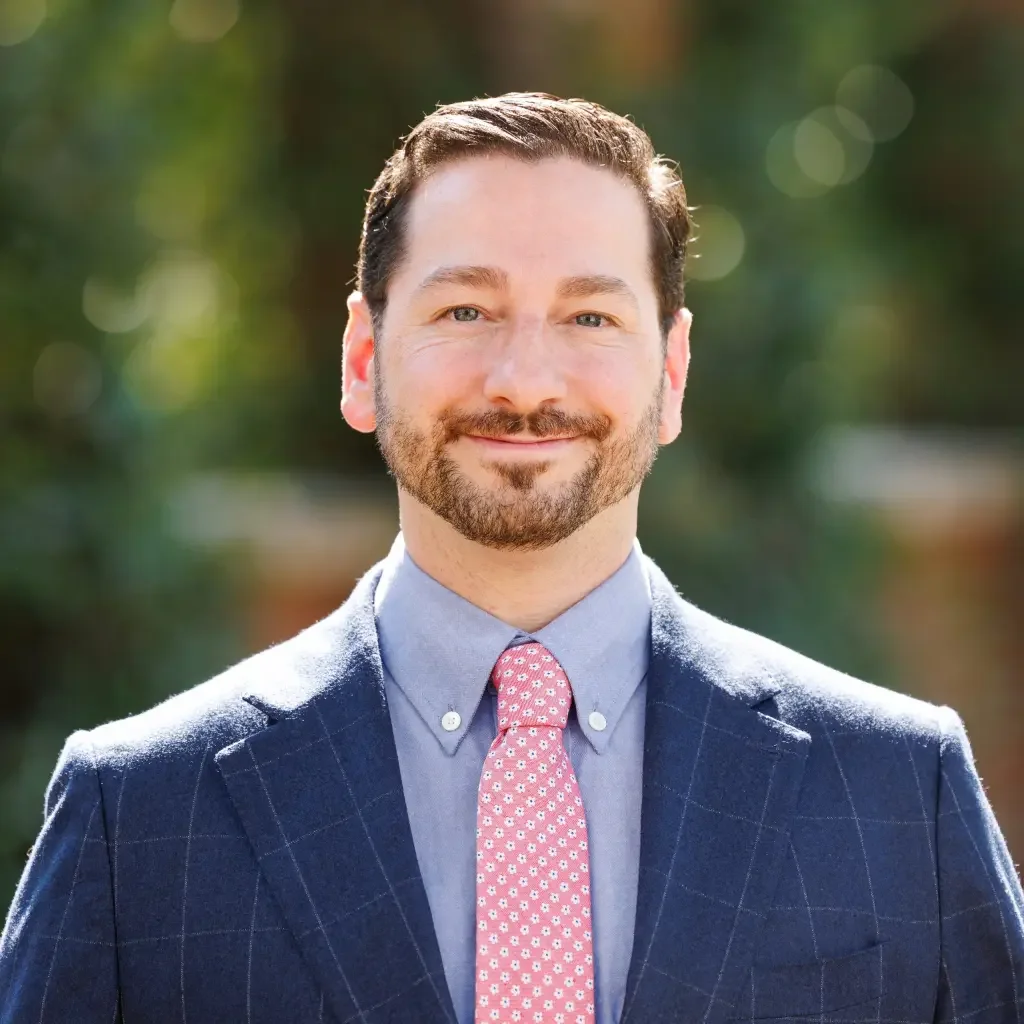
Guest: Zachary D. Kaufman
Listen Anywhere You Stream
~
Listen Anywhere You Stream ~
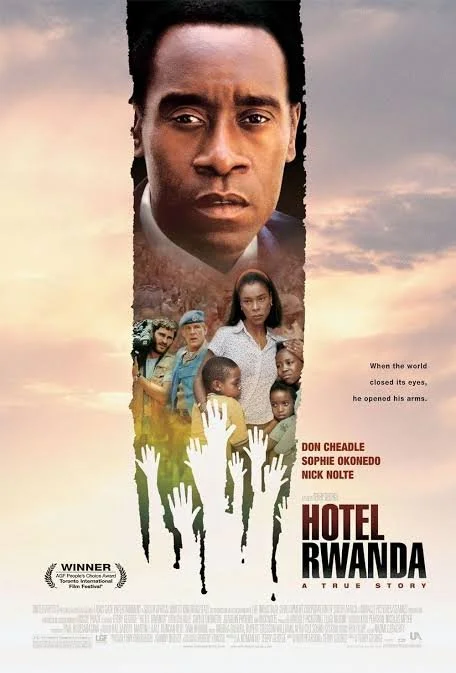
The 2004 historical drama Hotel Rwanda (co-written and directed by Terry George) tells the story of a hotel manager who helps shelter more than a thousand people during the 1994 Rwandan genocide. Set against the collapse of a fragile peace and the rapid escalation of violence, the film traces how incitement, the manipulation of ethnic identity, and organized militias converged to produce mass atrocity. It captures both the machinery of genocide—radio propaganda, roadblocks, and coordinated violence—and the stark failures of international intervention as the UN scaled back its presence and Western powers failed to intervene. At the same time, it centers on the difficult choices of individuals navigating risk, responsibility, and survival in the face of mass violence. I'm joined by Zachary D. Kaufman, Professor of Law and Director of the Initiative on International Law at the University of Florida Levin College of Law, and a leading expert on the genocide in Rwanda.
26:02 The failure of the UN
32:25 Transitional justice mechanisms for Rwanda
43:40 Legacy of the Rwandan genocide
38:43 Public law affecting water allocation and management
48:16 Paul Rusesabagina and later controversies
51:00 Other films about the Rwandan genocide
0:00 Introduction
3:12 The lead up to genocide in Rwanda
4:37 Media broadcasts and inciting genocide
10:55 Hutu and Tutsi
15:02 The Interahamwe and militias
18:03 Genocide upstanders
Timestamps
-
Jonathan Hafetz
Hi, I'm Jonathan Hafetz, and welcome to Law on Film, a podcast that explores law through film and film through law. Each episode focuses on a different film to examine the various ways law operates across institutions, society and culture, not just inside, but also outside courtrooms. This episode, we look at the 2004 historical drama Hotel Rwanda, co-written and directed by Terry George.
00;00;40;14 - 00;01;11;06
Jonathan Hafetz
Hotel Rwanda tells the story of a hotel manager who becomes an unlikely refuge for more than a thousand people during the 1994 Rwandan genocide. Set against the collapse of a fragile peace and the rapid escalation of violence, the film traces how incitement, identity and organized militias converged to produce mass atrocity. It captures both the machinery of genocide, radio propaganda, roadblocks and coordinated violence, and the stark failures of international intervention as the UN and Western powers withdraw.
00;01;11;08 - 00;01;35;05
Jonathan Hafetz
At the same time, it centers on the difficult choices of individuals navigating risk, responsibility, and survival in the face of mass violence and genocide. I'm joined by Professor Zachary Kaufmann, whose acclaimed work on Rwanda, transitional justice and the role of bystanders in mass atrocities helps illuminate both the events depicted in the film and their continuing legal and moral significance.
00;01;35;08 - 00;02;07;10
Jonathan Hafetz
Zachary Kaufman is a law professor and political scientists who's an award winning scholar and practitioner of criminal law. International law. National security law and transitional justice. He's an expert on the 1994 genocide against the Tutsi in Rwanda. Currently Professor of Law and director of the Initiative on International Law at the University of Florida. Levin College of Law. Professor Kaufman previously taught at Stanford Law School, Yale University, Department of Political Science, Washington University, and Saint Louis School of Law, Boston University School of Law, and the University of Houston Law Center.
00;02;07;15 - 00;02;32;07
Jonathan Hafetz
In addition, Professor Kaufman has served in all three branches of the U.S. government, including the U.S. Supreme Court, U.S. Court of Appeals for the First Circuit, U.S. Senate Foreign Relations Committee, and the U.S. Department of Justice and State, and three international tribunals the U.N. International Criminal Tribunal for Rwanda, the UN International Criminal Tribunal for the Former Yugoslavia, and the International Criminal Court.
00;02;32;08 - 00;02;50;13
Jonathan Hafetz
Professor Kaufman received his J.D. from Yale Law School, where he was editor in chief of the Yale and Policy Review. His DPhil or PhD in International Relations from the University of Oxford, where he was a marshall scholar, and his B.A. in Political Science from Yale University, where he was a student body president. Zach, welcome to law in film.
00;02;50;13 - 00;02;53;11
Jonathan Hafetz
So great to have you on to talk about Hotel Rwanda.
00;02;53;13 - 00;02;56;13
Zachary Kaufman
Thank you. I'm so excited and grateful to be here, Jonathan.
00;02;56;16 - 00;03;16;16
Jonathan Hafetz
So the film opens around the assassination of the Rwandan president, juvenile Habyarimana, on April 6th, 1994, after the Arusha peace agreement had been signed. But while its implementation remained fragile and deeply contested. So can you provide a little bit of background on these events and the rapid shift to mass violence of genocide?
00;03;16;18 - 00;03;57;07
Zachary Kaufman
Certainly so juvenile. Habyarimana was a Hutu. He served as president of Rwanda from 1973 until his assassination. As you mentioned, on April 6th, 1994, the year before he was assassinated in 1993, he signed what was officially called the peace agreement between the government of the Republic of Rwanda and the Rwandan Patriotic Front. So the was a Tutsi militia that was based in Uganda, and this piece in power sharing agreement was known as the Arusha Accords as it was signed in Arusha, Tanzania, which incidentally, is the same city in which the UN International Criminal Tribunal for Rwanda would later be headquartered.
00;03;57;13 - 00;04;34;03
Zachary Kaufman
So fast forward then, to April 6th, 1994, a plane that was carrying him, the Rondon president and the Burundi president, Cyprian Tarry, was shot down near the Kigali International Airport by a surface to air missile. Now, the culprits of this assassination are still unknown, but many suspect that they were Hutu extremists who were both unhappy with President Habyarimana willingness to make peace and share power with the and who wanted to use this assassination as an excuse or pretext to begin the genocide against the Tutsi.
00;04;34;03 - 00;04;37;12
Zachary Kaufman
And indeed, the genocide erupted that same day.
00;04;37;14 - 00;04;52;27
Jonathan Hafetz
And so we see the movie opens with radio broadcasts from the Hutu Power broadcast, and we hear them referring to Tutsis as cockroaches that were often repeated on the film.
00;04;52;29 - 00;05;20;27
Speaker 3
When people ask me, good listener, why do I hate all the Tutsi? I say, without history. He put your collaborators for the Belgian colonists. They stole our hotel land. They whipped us. Now they have come back. These two rebels. They are cockroaches. They are murderers. Rwanda is our hotel land. We are the majority. They are a minority of traitors and invaders.
00;05;20;29 - 00;05;34;12
Speaker 3
We will squash their infestation. We will wipe out the RPF rebels. This is RTL Hutu Power radio. Stay alert. Watch your neighbors.
00;05;34;14 - 00;05;51;03
Jonathan Hafetz
Later on, we'll hear the sort of signal about cut the tall trees. So how does this rhetoric fit with the crime of direct and public incitement to commit genocide that's later prosecuted at the Ice or the International Criminal Tribunal for Rwanda?
00;05;51;06 - 00;06;29;25
Zachary Kaufman
So, as background, both radio and the newspaper, which means wake others up in Kinnear, Wanda the indigenous language in Rwanda, both of them were media outlets that were crucial to inciting and in many ways also orchestrating the genocide. Rwanda, especially at the time, had an oral culture. Radios were widespread. They were very popular. It was very common to listen to what was supposedly news, but was was often usually just propaganda, as well as as music and interviews that entertained a lot of a lot of people in Rwanda.
00;06;29;26 - 00;07;07;06
Zachary Kaufman
So a lot of a lot of Rwandans were listening to the radio very, very closely. And because there wasn't much outside access or access to outside media to to sort of combat the myths and misinformation that was being propagated through the domestic media. You know, this propaganda was often believed in the propaganda included that Tutsi were were trying to take over the country, that Tutsi women were seductress of Hutu men, that Tutsi could not be trusted, and eventually that Tutsi needed to be killed.
00;07;07;08 - 00;07;45;25
Zachary Kaufman
And it was this constant bombardment from the media, including through the radio, about, you know, issuing specific instructions about where to go find Tutsi that should be targeted. That really contributed to the outbreak of the genocide and even the direction of the genocide. And so later that year, when the UN Security Council established on November 8th, 1994, the UN International Criminal Tribunal for Rwanda, one of the cases became focused on on journalists.
00;07;45;25 - 00;08;24;19
Zachary Kaufman
Indeed, it was the the first case that led to prosecution and conviction, rather of journalists for genocide crimes from your speech and the three individuals who were prosecuted in what became known as the media trial at the STR were Jean Ferdinand in the San and Guess. And they were some of the leaders of both radio television Libra and Michael Lean, which was the hate radio that it helped insight and orchestrate the genocide, as well as the newspaper that I mentioned, kangaroo, that also in many ways incited the genocide.
00;08;24;19 - 00;08;41;22
Zachary Kaufman
And and they were indeed convicted of genocide primes. And this was a historic case that showed just how crucial incitement in mere speech can be to genocide, and in rightly so, convicted these journalists.
00;08;41;29 - 00;09;03;15
Jonathan Hafetz
And the film really, I think, gives a visual illustration some ways of what you're saying, where there's, you know, various points where you can hear those broadcasts almost in live, you know, sort of like real time giving indications about where they're going to go next. And, like the Don Cheadle character in Hotel Rwanda and others are sort of listening and you can really see how that plays out.
00;09;03;17 - 00;09;29;15
Zachary Kaufman
Absolutely. Yeah. It was a critical component of the genocide, especially at a time when literacy in Rwanda wasn't as high, you know, as it is now. And, and people were really glued to their radios to hear supposed news and also to, you know, receive instructions which which indeed many then followed. And, you know, you open the question with referring to coded language.
00;09;29;18 - 00;10;11;21
Zachary Kaufman
So referring to Tutsi as cockroaches in Kenya, Rwanda, that word is in, you know, tutu were also referred to other in other dehumanized, dehumanizing language like, you know, hyenas and snakes and so forth. And then you also mentioned coded language about killing. And one of that, those phrases was cut the tall trees. People understood. You know, what these phrases meant after really decades of conditioning dating back to the 1950s, when, you know, sort of smaller scale genocides against the Tutsi erupted, some may even refer to them as practice genocides for the much later conflagration in 1994.
00;10;11;27 - 00;10;37;15
Zachary Kaufman
And so this coded language, you know, was was understood and was followed. And one of the things that the that the trial at the start of these journalists sort of really shows is that the close connection between a speaker and a listener. And so if the listener understands what the speaker means by their coded language, you know, that is part of what shows the incitement.
00;10;37;15 - 00;10;55;02
Zachary Kaufman
And unfortunately, we have seen this play out in some other genocides, of course, throughout history where insiders will use coded language that perhaps an outsider doesn't fully understand or maybe even thinks is innocent, but is actually a crucial part of the incitement and orchestration.
00;10;55;04 - 00;11;07;12
Jonathan Hafetz
One question comes up it's difference between Hutu and Tutsi, and there's a scene where one of the journalists asks the question about, well, what is the difference?
00;11;07;14 - 00;11;33;23
Speaker 4
What is the actual difference between 1902 to 2? The Belgian colonists statutes are more elegant. It was the Belgians that created the division. They picked people, those with thinner, lighter skin. They used to measure the width of people's noses. The Belgians used to run the country. Then when they left, they left the power to the Hutus. And of course, the Hutus took revenge on the elite Tutsis for years of repression.
00;11;33;26 - 00;11;39;00
Speaker 4
Am I telling the truth, Paul? Yes. Unfortunately. Did I take this? Our finest journalist.
00;11;39;00 - 00;11;45;07
Speaker 5
In Kigali. An expert on the subject. So what are you, Paul? I am Hutu.
00;11;45;10 - 00;11;57;07
Jonathan Hafetz
The film also repeatedly references. These identity cards. So can you talk a little bit about the differences, the role of the identity cards and the kind of legacy of colonialism?
00;11;57;09 - 00;12;31;03
Zachary Kaufman
Certainly. So the identity cards were introduced by one of the colonizers of this area, this region, which was Belgium. And they did it, you know, in part to pit different ethnic groups against each other. But in many ways, the sort of clear distinctions that the Belgians promoted through the issuance of identity cards was absurd. A lot of the markings of distinctions in ethnic groups don't really resonate with Hutu and Tutsi throughout the 20th and 21st centuries.
00;12;31;09 - 00;13;00;18
Zachary Kaufman
You know, they they had intermarried for centuries. They shared a language, often shared religion and custom. And, you know, it just it just goes to show how it served. Some of the differentiation was because when the identity cards were issued, which was usually based on just very superficial physical distinctions, that the Belgians had kind of developed, that, for example, Tutsi were supposedly tall and slender and Hutu were more sort of short and stout.
00;13;00;20 - 00;13;36;27
Zachary Kaufman
The fact that the Belgians sometimes coded children differently from their parents or siblings even differently from each other, just showed how how absurd this was. They, the Belgians, also coded ethnicity, in part based on, for example, how many cows you owned. And this, first of all, again was was absurd. And then second really contributed to to tensions between the two ethnic groups, the Hutu and the and the Tutsi, because of how the the colonizers pitted them against each other.
00;13;36;27 - 00;14;15;02
Zachary Kaufman
And then fast forward to the genocide against the Tutsi in 1994 itself. These identity cards are then used by the two extremists who are perpetrating the genocide to identify who the Tutsi were, and then to kill them, often on site. So the identity cards were, you know, for for decades. You know, used to to sew tension, to sow discord between the Hutu and Tutsi and then were very much crucial to the organization and identification that, you know, were implemented as part of the genocide against the Tutsi in 1994.
00;14;15;04 - 00;14;36;03
Jonathan Hafetz
Yeah. I mean, it seems like, you know, many instances there was no way to know if someone was Hutu or Tootsie other than what their identity card said. And so that was like sort of essential. There's Paul Rousseau, the Don Cheadle character, Hutu, and there's, you know, references to him having the card to prove his food, too. So it just seems like the the key distinction, but it was from sort of the legacy of colonialism.
00;14;36;11 - 00;15;02;05
Zachary Kaufman
That's right. And if you didn't have your identity card on you. When asked to produce it, you know, at a roadblock, for instance, the Hutu extremists, members of the the mobile killing squads would often just assume you were, you know, to see trying to hide the fact and would kill you on the spot too. So, you know, either showing that you were Tutsi or not being able to prove you weren't Hutu both led often to the same outcome.
00;15;02;07 - 00;15;18;25
Jonathan Hafetz
And you referenced the way the militias or the sort of killing squads. So can you talk about their role there, depicted, you know, quite significantly in the film, their relationship to the military and how that sort of helps understand the way the genocide played out in Rwanda?
00;15;18;27 - 00;15;54;14
Zachary Kaufman
Certainly. So the militias, you know, were an absolutely crucial part of the genocide. I mean, it really is staggering just how widespread the genocide was. I mean, you know, approximately a million people killed in 100 days, with probably the majority killed in the first few weeks. You know, some people estimate that this means that that the genocide against the Tutsi was the fastest genocide in the history of the world, made all the more unbelievable, given that it was mostly perpetrated through handheld weapons in, you know, not guns or gas chambers.
00;15;54;14 - 00;16;16;09
Zachary Kaufman
And it's just incredible how many people both died and by some estimates, you know, were also involved as, as perpetrators. So some estimates hold that as many people killed as were killed, possibly even more people killed than were killed. And so a lot of the people who were the killers and the rapists as as rape was a crucial tool of the genocide.
00;16;16;15 - 00;16;39;17
Zachary Kaufman
You know, a lot of these, these killers and rapists were were part of these, these militias, these Interahamwe militias. And and they had a relationship with the, the military, the formal Rwanda military. And they really sort of operated in parallel. And, you know, we're, you know, the military, you know, many ways used as kind of the front lines.
00;16;39;21 - 00;16;43;22
Zachary Kaufman
And so the internal hum played a crucial role in the genocide.
00;16;43;25 - 00;16;56;18
Jonathan Hafetz
And also, were they used by the military to try to avoid responsibility? I think there's some reference to that in the film. It's not they're not you know, they're not ordering anything. They're not directing anything. These are these militias that are not under the control of the official army.
00;16;56;20 - 00;17;33;28
Zachary Kaufman
That's right. The military use the internal in many ways. And yes, as you're mentioning, one way was to try to sow confusion about who the perpetrators really were and and whether the government at the time, the post Tiberium regime, the genocidal regime was really in charge or not. And, you know, it really, you know, interesting I think coincidence of history is that Rwanda held a nonpermanent seat on the UN Security Council in 1994 during the genocide against the Tutsi, both before and after the genocide concluded.
00;17;33;29 - 00;18;00;28
Zachary Kaufman
And the post regime really used that position to try to sow confusion about what was happening in Rwanda, who was responsible. And so, pointing to the interim way as this kind of self-governing supposedly group that were renegades and out of control was a way to both perpetrate the genocide and try to divert attention from the possibility, the regime's responsibility.
00;18;01;01 - 00;18;03;03
Zachary Kaufman
But it very much was responsible.
00;18;03;05 - 00;18;27;11
Jonathan Hafetz
You've written Zach a lot about the Rwandan genocide, and right now your work, including a forthcoming article. It's focused on the idea of genocide up standards, and you've developed a new and comprehensive typology of this category of up standers. So what's this article about the idea of genocide, up standards and the typology that you're developing?
00;18;27;12 - 00;18;50;25
Zachary Kaufman
Well, first let me maybe share some of my motivation in writing the article. You know, through my decades of involvement, both as a practitioner and scholar of genocide, you know, I've really realized that that much of our focus, and rightly so, you know, is on perpetrators and victims and survivors. We seldom concentrate on bystanders and up standers, third parties to the genocide.
00;18;51;01 - 00;19;23;22
Zachary Kaufman
And so I've been intrigued in my research to explore the roles that the bystanders and of standards play. So the truth is that no genocide is possible without bystanders. Bystanders enable genocide and every genocide in history. It turns out, features up standers, which can sometimes mitigate the atrocities, sometimes even, you know, try to persuade others to be helpful and also remind us that even amid the worst of humanity, we always see the best.
00;19;23;29 - 00;19;46;24
Zachary Kaufman
And so, in recognizing that there are up standers, I further have recognized and studying up standers that there's a huge variety of them. You know, they vary based on their motives, based on what they actually do, based on the context. And so this this new article, Genocide Up Standers, is the first in a series of three articles that I'm writing specifically about genocide standards.
00;19;46;27 - 00;20;24;01
Zachary Kaufman
This first article presents an original typology of genocide up standers. I've got about a dozen pairs of up standers, and I'll share a couple of those pairs with you, and provides historical illustrations of each type from both Rwanda and the Holocaust. I include the Holocaust, in part because it's the genocide for which we have the most data on up standers because of Yad Vashem is Righteous Among the Nations program, which is identified more than 24,000 non-Jews who helped save Jews during the Holocaust.
00;20;24;03 - 00;20;47;07
Zachary Kaufman
And so we have a, you know, an available database to search through and code and so forth. And then Rwanda, because I specialize in Rwanda itself. But the typology can be applied to any genocide and indeed could even be applied to other crimes in crises beyond genocide itself, whether it's other atrocity crimes or even non, non atrocity crimes.
00;20;47;13 - 00;21;11;12
Zachary Kaufman
So let me just give you a few examples. And these are are my terms that I've developed. So in-group and outgroup up standers and in-group up stander is one who is themselves a member of the group that is targeted by the genocide. And outgroup stander is someone who's not a member of that group. Another pairing is a defensive versus offensive up stander.
00;21;11;12 - 00;21;43;15
Zachary Kaufman
So a defensive up Stander focuses on trying to help the genocide target, often through feeding, sheltering, hiding, smuggling across borders, etc. and offensive up. Standard goes after the genocide perpetrators, often by trying to kill them or to sabotage their infrastructure, their equipment. So, for example, railway lines leading to concentration or death camps during the Holocaust. So those are just two of the more than a dozen sort of pairings that I've developed in this typology.
00;21;43;15 - 00;21;47;21
Zachary Kaufman
And then again, I've got historical illustrations for each of them.
00;21;47;23 - 00;22;06;26
Jonathan Hafetz
That's fascinating, important work. And as to the film, I mean, it really, I think helps illuminate or provides a lens to look at Hotel Rwanda, which really, you know, in some ways can be said is about or in some ways maybe the shift from bystander ism right up standard ism through the character of Paul Rousseau, the Don Cheadle character.
00;22;07;00 - 00;22;13;16
Jonathan Hafetz
So how does it shed some light on Hotel Rwanda? If you kind of apply your work as a way of looking at the film?
00;22;13;18 - 00;22;34;21
Zachary Kaufman
Well, one of my favorite scenes in the movie, by the way, is problematic and controversial. We should talk about that. But one of my favorite scenes is really towards the beginning of the film. So this is where Paul begins, who's a Hutu, and his wife Tatiana, who's a Tutsi, are watching sort of this shocking situation from behind their driveways gate.
00;22;34;26 - 00;23;02;01
Zachary Kaufman
And they're observing unidentified assailants trust to soldiers beating the roosts of beginner's neighbor, who is implied, the Tutsi. And then they dragged this neighbor away, presumably to murder him. So Tatiana at this time implores her husband to quote, do something. And then Paul Rusesabagina kind of responds to her helplessly asking, do what? And Tatiana kind of beseeches him to call someone.
00;23;02;01 - 00;23;25;07
Zachary Kaufman
Into which her husband replies, you know, with this kind of exasperation, there's nothing we can do. And what's amazing about this is, you know, if you just take the film as truth, as full truth, which again, let's discuss. It's amazing that this kind of inability or unwillingness to provide aid is voiced by a person who at the time is really characterized as a bystander.
00;23;25;12 - 00;23;56;27
Zachary Kaufman
But then later in the film, and because of the film, is recognized as one of the the supposedly most impactful up standers during not only the 1994 genocide against the Tutsi, but maybe any genocide in history because he's credited through the film with saving, you know, over the subsequent few months, about 1268 lives at the hotel. That's the hotel of a Thousand Hills, which is the hotel that he manages in Rwanda's capital city, Kigali.
00;23;57;05 - 00;24;25;18
Zachary Kaufman
So part of what I think is really relevant and interesting about the film is that it shows the fluidity of people during a genocide, so people can evolve from bystanders to up standers, as Paul supposedly does. There are also other genocides in which there could be fluidity among even other kinds of roles during a genocide. You know, an upstanding at an earlier point might be a perpetrator.
00;24;25;21 - 00;25;05;06
Zachary Kaufman
A survivor could become an up stander. There's lots of of, of kind of shifting of roles during a genocide. And part of that is attributable to how long some genocides last. So the 1994 genocide against the Tutsi in Rwanda was only about 100 days. But other genocides like the Holocaust were years. And so during a lengthier genocide, there's more possibility of filling more or kind of, you know, serving in more roles, including terrible roles like perpetrator and indeed, perpetrator up standers is one of the types that I explore in my typology in this forthcoming article.
00;25;05;08 - 00;25;24;24
Jonathan Hafetz
Yeah, I mean, it's really interesting with the Paul character, the way they depicted it. You know, you talked about the scene where he watches what happens to the neighbor. And then there's one point where in the film, he even agrees to stay behind when a select group of the people that were sheltering at the hotel are seemingly going to get safe passage out, including Paul Rousseau.
00;25;24;27 - 00;25;30;19
Jonathan Hafetz
His wife and children, and he decides to sort of stay behind. So it's like this kind of transformation in terms of the arc.
00;25;30;27 - 00;26;07;18
Zachary Kaufman
Yeah, that's right. And a great reminder from this film, regardless of it's, you know, truth is the reminder that people can make choices during a genocide and that those choices can include helping others. And in this case, the helper, the up stander survives. In other cases, they don't. But we all have choices to make. And that's what I really appreciate about films about upstanding ism during genocide is that even again during the worst episodes of humanity, we we can choose to be good.
00;26;07;20 - 00;26;24;03
Jonathan Hafetz
Let's talk a little bit about the UN and the international community's have a related topic kind of thinking about, you know, like, how does this happen? Right. It's something. Rwanda, where, you know, where it had been kind of building up for years as you discuss. It just happened so fast and on such an incredible level of violence, tragic level violence.
00;26;24;05 - 00;26;44;25
Jonathan Hafetz
So the film, I think, is sort of critical of UN inaction in Rwanda, I think rightly so. Well, I guess how accurate is the portrayal of what we see with the UN through the the UN commander, played by Nick Nolte, who I suppose is loosely based on Romeo and Juliet, the Canadian general who commanded the UN Assistance mission for Rwanda.
00;26;44;29 - 00;26;50;07
Jonathan Hafetz
Yeah. So what is it? I mean, what do we see in the film and what happens with the international community during the Rwandan genocide?
00;26;50;09 - 00;27;22;19
Zachary Kaufman
I agree with the film's criticism of the UN. I don't know how anybody couldn't. Who knows the history of what occurred. You know, basically what happened was the UN already had troops on the ground and had equipment, including weapons. And as depicted in the film UN Assistance Mission in Rwanda, unit Unamir as the peacekeeping mission was called, officials including the Nick Nolte character, who I agree is based on General Dallaire, their meeting with leaders of the genocide.
00;27;22;19 - 00;27;52;05
Zachary Kaufman
They know who these people are. They know where they are at various points. They know where weapons caches are. They know where equipment is. So the UN is actually quite well informed about what's happening and and where it's happening and who's doing it. They're seeing firsthand the genocide unfolding in front of them. Now, the question is sort of who within the U.N. is responsible for the inaction of Unamir?
00;27;52;08 - 00;28;24;18
Zachary Kaufman
It's easy to blame the troops on the ground, but they're also receiving orders, of course, and they have a mandate that's issued by headquarters. And so the ones who are really responsible are the the UN Security Council and the members of the UN Security Council and the UN Secretary General's Office building, the Department of Peacekeeping Operations. Those are the the entities within the United Nations that are in correspondence with their troops on the ground, and they're issuing them directives.
00;28;24;25 - 00;29;03;02
Zachary Kaufman
And, you know, delay or general delay has spoken and written extensively about how he felt constrained and how he wished he had had a broader mandate to engage, and he was restricted as a soldier. He felt compelled to follow orders and not to go against violate orders. So the UN remains quite passive, as is depicted in the film, I would argue, and this is depicted in some other films, and we know this through various literature and reports that the UN actually did did worse than merely remain passive.
00;29;03;04 - 00;29;35;08
Zachary Kaufman
They set up some safe havens that they then abandoned. And there's a film actually depicting one of those episodes at local Technique. Officially, the film is called Shooting Dogs, and it depicts the situation where the UN sets up the supposed safe haven that they're supposedly protecting. And and so Tutsi flocked to them instead of, for example, remaining in hiding or trying to flee further away because they assumed that the UN peacekeeping mission was going to protect them.
00;29;35;13 - 00;30;04;10
Zachary Kaufman
But then later the UN abandons them. They actually leave in the interim that has encircled the school, this technical school, this liquid. They then enter the school grounds and kill everybody. They massacred everybody. And the UN made it easier for them to do so. By bringing all these Tutsi together in this confined area and then abandoning them to their fate, which was to be massacred by the Hutu extremists in the entire way.
00;30;04;12 - 00;30;18;09
Zachary Kaufman
So the UN really deserves, you know, extreme condemnation for its not only passive but exacerbating role in the 1994 genocide against the Tutsi.
00;30;18;12 - 00;30;30;14
Jonathan Hafetz
When we speak about the UN, right, it's also or should we also speak about the Western powers, especially because ultimately, in theory, the UN might have taken a different role. If you ask, other Western powers have been pushing for it. Right.
00;30;30;15 - 00;30;52;18
Zachary Kaufman
As I said, it's partly the members of the UN Security Council who are the ones who are, you know, making most of the major decisions on, you know, the use of force, including peacekeeping missions. And so the members of the Security Council at the time, including the United States, which is a permanent member of the Security Council and the UN Secretariat, are the ones who deserve the most blame.
00;30;52;23 - 00;31;22;03
Zachary Kaufman
You know, we could query whether or under what circumstances it is appropriate for soldiers to violate their mandates. And so, you know, you could query whether, you know, General Dallaire and his troops should have just engaged. But, you know, most people who take the hierarchies of militaries, other sort of police forces seriously, you know, think that the lion's share of the blame really, you know, sits at the people calling the shots, issuing the orders.
00;31;22;09 - 00;31;40;04
Jonathan Hafetz
And the feeling really gives you like sort of the tensions on the ground we're under. Right. They have limited power and they're putting difficult situations. There's that scene at the roadblock where there's about to be a massacre, including of Paul beginner's family, who thought they had a safe way out. And they're stopped, by the way, I think illustrates that dynamic.
00;31;40;08 - 00;32;11;06
Zachary Kaufman
Yeah, that that is true, that the film portrays the extreme sort of limited resources and other constraints that they render. But that was a choice. It was actually, after the genocide erupted that the UN decided to draw down the number of troops in Unamir. And, you know, another choice could have been keep the number of troops at the same level, or increase the number of troops, or even change the mandate to allow them to engage or to tell them to engage.
00;32;11;09 - 00;32;24;21
Zachary Kaufman
But none of that was done. And so the extreme constraints that are depicted in the film are the result of choices that were made back at UN headquarters in New York.
00;32;24;24 - 00;32;44;03
Jonathan Hafetz
So let's move to post-conflict. So after the genocide, actually, the international community mobilizes, right? We have the International tribunal for the former Rwanda, and we also have Rwanda's courts, the local or domestic transitional justice mechanism. So what do these models do? How do they compare? What role did they play?
00;32;44;05 - 00;33;27;14
Zachary Kaufman
So there's actually four sort of transitional justice institutions that are used to address the 1994 genocide against the Tutsi. You've mentioned two of them, the UN International Criminal Tribunal for Rwanda and Rwanda's courts. There were also, to others, foreign courts and Rwanda's ordinary courts. So let me let me sort of take them in turn. So during the genocide and afterwards, particularly sort of as it's kind of ending in in the immediate aftermath, former perpetrators start fleeing the country because the which had thought into Rwanda and is responsible for ending, to their massive credit, the genocide against the Tutsi.
00;33;27;19 - 00;34;02;12
Zachary Kaufman
You know, a lot of the Hutu extremists believe that they're going to be sort of rounded up and imprisoned and prosecuted and are going to be held accountable. And so quite a few dynasty, their genocide perpetrators flee the country. And so they then seek refuge, seek new residents all over the world. And some of those countries, once they find out the true nature of what these individuals were doing during the genocide, they seek to prosecute them in their country for crimes perpetrated in Rwanda.
00;34;02;14 - 00;34;34;26
Zachary Kaufman
And so there are lots of countries Belgium, Canada, Finland, France, Germany, the Netherlands, Norway, Sweden, Switzerland and others that have held trials of alleged genocide air and often under what is known as the sort of controversial principle of universal jurisdiction where even though the country is not where the crimes were committed and none of the victims were nationals of that country, they still think that the crimes are are so heinous that they should still be prosecuted in their country.
00;34;34;29 - 00;35;10;12
Zachary Kaufman
Now, the United States does not share the view of that controversial legal doctrine. And so, when suspected genesis there have been found in the United States, they've either been immediately transferred to a jurisdiction like the ester or Rwanda itself that can prosecute for the underlying offenses, or they are first prosecuted and if convicted and punished, usually through imprisonment for immigration fraud, and then they're transferred to a jurisdiction that can prosecute for the underlying genocide related offenses.
00;35;10;14 - 00;35;38;28
Zachary Kaufman
So that's foreign courts in Rwanda is ordinary courts. Within less than a decade of the genocide in 94, Rwanda's ordinary courts had had tried approximately 8000 suspects and convicted about 81% of them. So quite a few suspected genesis there have gone through Rwanda's ordinary courts. Then there's the third transitional justice institution, which is the iCtr, the UN International Criminal Tribunal for Rwanda, where I was proud to serve.
00;35;39;01 - 00;36;09;14
Zachary Kaufman
The idea to create it was actually being discussed before the genocide even concluded. There were discussions about, you know, what sort of accountability, if any, was there going to be and how was the international community going to play a role, if any, in doing that? And what had happened the previous year is that in 1993, is that another ad hoc tribunal had been established for the former Yugoslavia to address the atrocity crimes that were perpetrated in the Balkans throughout the 1990s.
00;36;09;20 - 00;36;35;24
Zachary Kaufman
And that was on May 25th, 1993. So there was already an available model and precedent in very recently for what many consider to be a smaller scale genocide or even just other kinds of atrocity crimes. And so there really was, you know, pressure on the international community to create something at least as significant as the International Criminal Tribunal for the former Yugoslavia border.
00;36;35;27 - 00;37;02;03
Zachary Kaufman
And and so lots of different options were considered, whether to, for example, expand the jurisdiction of the ICC to include Rwanda, whether to create an entirely separate tribunal for Rwanda or the option which is the third option, which is the one that actually was implemented. Create a parallel ad hoc tribunal for Rwanda that shared some bureaucracy, some infrastructure with the iced tea.
00;37;02;05 - 00;37;32;23
Zachary Kaufman
Originally the two the two tribunal shared both an appeals chamber and a chief prosecutor, and then eventually only an appeals chamber for various reasons that we could get into, if you're interested. So that's the third option. And, you know, the was was highly controversial for for various reasons. It was, you know, criticized for taking too long, expending too much money, being insensitive in its treatment of witnesses, sort of mismanaging the cases.
00;37;32;26 - 00;38;02;12
Zachary Kaufman
But it also can boast a lot of achievements. It indicted 93 people. It issued 55 first instance and 45 appeal judgments, and it sentenced 62 defendants to terms of up to life imprisonment. And, you know, a lot of those convictions were precedent setting. It was the first international tribunal having jurisdiction over a purely internal conflict. It was the first international tribunal to receive a guilty plea for genocide.
00;38;02;15 - 00;38;35;16
Zachary Kaufman
It was the first tribunal to impose a conviction for genocide. It indicted and convicted the first head of government for genocide. It clarified the definition of rape in international law and held that it could constitute genocide. And as we've previously discussed with the media trial, it passed the first genocide related convictions of journalists. So the though controversial, you know, also has has contributed in many meaningful ways to accountability and justice for for the genocide against Tutsi in Rwanda.
00;38;35;20 - 00;39;06;05
Zachary Kaufman
That brings us to the final fourth transitional justice institution that was established. And that's so was kind of this modified traditional conflict resolution system that had been used in Rwanda for for a very long time, and it operated it for exactly ten years between 2002 and 2012. These courts adjudicated almost 2 million cases, convicting about 86% of the defendants.
00;39;06;08 - 00;39;31;26
Zachary Kaufman
And it's sort of known, given how many people participated as judges, which, by the way, you know, originally was about 250,000 people were elected just as the judges to serve in. And then also, given how many people participated as witnesses and as defendants, in many ways, it's known as as kind of the biggest approach to mass justice in the history of the world.
00;39;32;03 - 00;40;08;06
Zachary Kaufman
It to, like the Ister, has been criticized for perhaps not featuring as much due process as we're familiar with in the West, as the defendants did not have a right to counsel, and hearsay was admitted as as evidence. But the sort of proponents of, say, in defense of it. What was the alternative? You know, it's easy to criticize from the cheap seats, but given how many suspected genocide there, there were how poor and destroyed Rwanda was after the genocide.
00;40;08;13 - 00;40;20;21
Zachary Kaufman
You know what? What else are we going to do except to try to have some sort of a makeshift approach to to justice? So those are the four TJ mechanisms in sort of how they, they compare.
00;40;20;24 - 00;40;55;15
Jonathan Hafetz
And so the film ends before any of this happens. Right. It ends at the close of the genocide where the Rwandan Patriotic Front Tutsi rebels push in, they push out the army. And the right, you see all the sort of mass migration of refugees moving across borders and things like that. But there's a reference right earlier on to the ICTy in the film and a scene between Paul Brewster and General Mungo from the Who Do Army, where Mungo sees sort of the writing on the wall, he's trying to get out and he wants to bring with him and says, no, we got to go back and get my family.
00;40;55;20 - 00;41;11;29
Jonathan Hafetz
And which is beginning to, when Mungo resists, threatens Mungo, saying, hey, if you don't help me, there's going to be a war crimes tribunal, right? We know that, right? And I'm going to I'm going to report you as bad. I could help you. I could, I could say the sort of good things you did.
00;41;12;01 - 00;41;36;16
Speaker 5
You are marked Manzur. Also. You were on the list. The Americans have you on the list as a war criminal. Well, I am sick and tired of your lies. Are you stupid, general, how do you think these people operate? You sit here with five stars on your chest. Who do you think they are coming after? We will go to Guitar Ram and you will stay on that list.
00;41;36;18 - 00;41;38;04
Speaker 3
I committed no war crimes.
00;41;38;08 - 00;41;46;28
Speaker 5
Who will tell them? You need me to tell them how you helped at the hotel? They blame you for all their misfortunes. They say you let the massacres. I let.
00;41;46;28 - 00;41;47;27
Speaker 4
No massacres.
00;41;48;01 - 00;41;54;29
Speaker 5
Do you think they're going to believe you? You will tell them the truth. I will tell them nothing unless you help me.
00;41;55;01 - 00;41;59;21
Jonathan Hafetz
So it's an interesting scene, which I think you kind of links up with a lot of what we've been talking about.
00;41;59;24 - 00;42;33;27
Zachary Kaufman
Yeah, I agree. And and this kind of ploy of trying to persuade genocide perpetrators to be genocide up standers is fairly common. The idea that if for no other reason than just to save their own hide, genocide, perpetrators should start helping rather than continuing to harm genocide targets. And when the writing is, is sort of seen on the wall that the genocide against the Tutsi is going to end, and that there's going to be accountability for the perpetrators.
00;42;34;02 - 00;42;58;24
Zachary Kaufman
You know, this kind of dialog between, you know, this, this portrayal of Sabina and kind of shows what that discussion is like. So lots of genocides throughout history have had people convert from perpetrators to up standers. Often it's because of this kind of realization in the 11th hour that their side is going to lose, that the perpetrator side is going to lose.
00;42;58;26 - 00;43;37;02
Zachary Kaufman
And so the perpetrators need to start doing something if they want to themselves survive, to try to, you know, hurry, favor and do good deeds so that they could get a mitigated punishment or perhaps even avoid accountability entirely. There have also been some perpetrators that may have had a change of heart as well. So just like you know, with other kinds of genocide up standers, they're they're often different, sometimes even conflicting motives as to some as to why some people start helping rather than either remaining as a bystander or even acting as a perpetrator.
00;43;37;04 - 00;44;04;26
Jonathan Hafetz
What's kind of fast forwarding to today? What's been the legacy of the what's the genocides legacy for justice memory, and the current situation? Rwanda because it's hard. You have talked about the transitional justice mechanisms, but I mean, it's it's hard to imagine where you have that many people killed. I mean, how do you you know, how how society kind of moves on and or does it move on?
00;44;04;28 - 00;44;38;26
Zachary Kaufman
I mean, there have been so many, you know, legacies, you know, sort of both, both good and bad. One is, about genocide itself. So, you know, the world and in, you know, particularly particular, you know, people keep keeps, you know, claiming never again. But of course, we keep seeing genocide again and again. In fact, you know, genocide seem to have proliferated both actual and alleged genocide seem to have proliferated in the, in the, in the recent decade.
00;44;39;02 - 00;45;13;06
Zachary Kaufman
And so we're not necessarily seeing the sort of never again that people kept demanding after Rwanda, after the Balkans, after the Holocaust, after Cambodia, etc.. And that really is a, I think, a commentary on just how paralyzed the international system is, just how unenforced international law and human rights are. And it's, it's it's a terrible commentary on where the world is today in terms of preventing and and mitigating and stopping genocide.
00;45;13;07 - 00;45;38;10
Zachary Kaufman
The bottom line is we haven't. And that's, I think, a real, you know, mark of of shame on leaders throughout the world. Another legacy is about accountability. So I mentioned four transitional justice mechanisms that have been pursued, you know, to address the 1994 genocide against the Tutsi in Rwanda. Many of those have been used as models for accountability for other genocides.
00;45;38;14 - 00;46;02;17
Zachary Kaufman
And some of the flaws of the iced tea are, you know, led to the impetus to create a permanent international criminal tribunal, what became known as the International Criminal Court. You know, less than a decade after the ester and the ICTy were first erected. Now, the ICC has had many of its own problems, including criticisms of being ineffective.
00;46;02;21 - 00;46;28;16
Zachary Kaufman
But before we knew that was going to happen, the idea of an international criminal court, the idea that the world needed a permanent tribunal to address genocide, war crimes, crimes against humanity was needed very much, was spurred by the response to the the genocide against the Tutsi in 1994, in Rwanda. So that's a legacy, a mixed legacy, to be sure, because of how it's actually operated.
00;46;28;16 - 00;46;55;05
Zachary Kaufman
But again, the idea of it was was there. So I think those are kind of the two main legacies. You know, unfortunately, genocides continue. We haven't learned enough lessons about whether and how to, to stop them. And and to be sure, we know when they're occurring, we know where they're occurring, you know, given modern technology and sort of 24 hour news cycles and the reach of the media, we know where genocides are happening.
00;46;55;06 - 00;47;20;00
Zachary Kaufman
More or less the issue is political will. And just as you and I discussed earlier, that it was choices that led to the limited mandate and resources of Unamir, the UN assistance mission in Rwanda during the genocide, so too is it choices today that lead to inaction. It's not inability. There's more we could certainly do. It's will, it's political will.
00;47;20;01 - 00;47;24;22
Zachary Kaufman
And that's a very sad commentary on our leadership today.
00;47;24;25 - 00;47;38;05
Jonathan Hafetz
I mean, I think it's fair to say that if something like the Rwandan genocide would have happened in 2026, there would be much higher awareness about what was going on on the ground with social media. But whether that would translate to international action or how, you know, it's less certain.
00;47;38;09 - 00;48;13;23
Zachary Kaufman
Yeah. I mean, and we don't even need to speculate about another Rwanda today. We've got, you know, we've had genocides recently in Tigray, Ethiopia and Sudan. And still, despite all the information that that we know, the world has largely remained passive. I mean, other genocides to the Rohingya and Myanmar who are suffering terribly. In Cox's Bazar in Bangladesh, a 1 million strong refugee camp with no end in sight, the world could have should have done more in these and other genocides and simply hasn't.
00;48;13;23 - 00;48;15;00
Zachary Kaufman
And that that's a choice.
00;48;15;07 - 00;48;37;10
Jonathan Hafetz
And so, Paul, it's kind of going up to the present day present. The events story gets a little complicated, right? He becomes especially through this film, which I think there's a lot to increase awareness about the Rwandan genocide. He becomes a kind of prominent figure in 2020. He's, detained and tried on terrorism charges when a flight he's on lands in Kigali.
00;48;37;13 - 00;48;48;03
Jonathan Hafetz
He's released three years later after sentences commuted amid international pressure. So, I mean, anything sort of about the kind of post Hotel Rwanda like. Yeah.
00;48;48;05 - 00;49;14;29
Zachary Kaufman
And this is why I sort of alluded to to earlier in our conversation that this film is pretty controversial. So soon after the 1994 genocide against the Tutsi in Rwanda, Rusesabagina, his conduct during it began to be questioned. So there have been various scholars and survivors of the genocide, including some survivors from Hotel Temuco itself, the hotel that he managed where more than 100 Tootsie were seeking refuge.
00;49;15;03 - 00;49;43;28
Zachary Kaufman
They've disputed Rusesabagina supposed upstanding ism during the genocide, and thus the accuracy of this film and also his autobiography, both of which have brought him personally a lot of renown and rewards. So specifically, these kind of critics say that Rusesabagina exploited and exaggerated his role during the genocide, charging Tutsi exorbitant sums for the hotel rooms in which he housed them and for the food and water he provided.
00;49;43;29 - 00;50;29;04
Zachary Kaufman
And, you know, to be sure, his defenders, including Terry George, who you mentioned was the director of this film, they dismiss these accusations as politically motivated. But so those are those are sort of critiques or criticisms of his conduct during the genocide. In addition, there's also been a lot of challenges to his conduct since the genocide. So, you know, as you mentioned, in 2020, the Rwandan government tricked ruthless Sabena into traveling to Rwanda, where he was arrested on multiple charges, including murder, terrorism, kidnaping and arson, all of which were allegedly committed after 1994 and the following year, Rusesabagina, who was then in his late 60s, was convicted in Rwanda and sentenced to the harshest available
00;50;29;04 - 00;51;00;20
Zachary Kaufman
penalty, which was 25 years imprisonment. And once again, to be sure, his defenders claimed that these accusations were politically motivated and then bowing to international pressure, including from the US government. The wanting government ultimately released Rusesabagina in 2023, as you noted. But the concerns about these allegations, these charges, again, murder, terrorism, kidnaping, arson persist among many people who very much do believe that he's responsible for such ghastly crimes.
00;51;00;22 - 00;51;09;11
Jonathan Hafetz
Are there any other films about Rwanda? You mentioned the one film before, sort of other filmic treatments of the genocide that you think would be good to check out?
00;51;09;16 - 00;51;30;07
Zachary Kaufman
Absolutely. I've been compiling kind of lists of movies about certain genocides throughout history, and I'm happy to share a bit of a list of those relating to Rwanda. I'll list them off, and then I'll just kind of highlight a few of them. 94 terror 100 Days Beyond the Gates, which I mentioned. The dead are alive. Eyewitness in Rwanda.
00;51;30;10 - 00;51;52;23
Zachary Kaufman
Earth made of glass. Gotcha. Living together again in Rwanda. Ghosts of Rwanda, which is a PBS documentary. That's excellent. I highly recommend it. God sleeps in Rwanda. You already? We've been talking about Hotel Rwanda. Another film, Wanda the Last Just Man, which is a film about General Dallaire in Rwanda. We say the family that does not speak dies.
00;51;52;25 - 00;52;24;06
Zachary Kaufman
My neighbor, my killer. The notebooks of Memory shake hands with the devil sometimes. In April, a Sunday in Kigali. The Triumph of Evil, which is a documentary by frontline, which is excellent just like the Ghosts of Rwanda documentary by PBS. The unconfirmed and When Good Men Do Nothing. I thought I'd mentioned a little kind of story about Beyond the Gates, the movie I mentioned before about the local official, the supposed safe haven that Unamir set up and then abandoned.
00;52;24;08 - 00;52;48;22
Zachary Kaufman
Unlike Hotel Rwanda, which was largely filmed off site in South Africa, Beyond the Gates was filmed on the premises where it was depicting, you know, the episode. So it was filmed at the Hotel Technique official in Rwanda. And I happen to be in Rwanda. I've lived there on and off, and I've visited many, many times for for research and other kinds of work.
00;52;48;28 - 00;53;11;06
Zachary Kaufman
I happen to be in Rwanda on a book tour when Beyond the Gates was being filmed. You know, Kigali is not a very big place. A lot of foreigners seem to congregate in many of the same restaurants and so forth. So I met some of the film crew and, they invited me to to serve as an extra in the film.
00;53;11;09 - 00;53;37;14
Zachary Kaufman
And the position would be the role was going to be to serve as a, as a blue helmet, a member of the peacekeeping mission Unamir. And I. After thinking about it for a little while, I decided to decline because I didn't want my face to be associated with you. Because, you know, I often conduct interviews and other research in Rwanda, and I didn't want people to think I was a member of of unemployed.
00;53;37;15 - 00;53;48;11
Zachary Kaufman
I didn't want there to be confusion. So unfortunately, I missed my entree into Hollywood and perhaps a different calling to be a movie actor. But I stand by my decision.
00;53;48;17 - 00;54;19;05
Jonathan Hafetz
Yeah, I think it was a wise choice to forgo the 15 seconds of fame or whatever you would have gone from being the extra given their complicated and difficult role you talked about. Yeah, I mean, it's amazing how many movies there are about this. And I think, you know, Hotel Rwanda certainly is the most well known. And despite the sort of criticisms you talked about about making this story known to a broader public, but I do think, you know, it's really helpful to to lay out those movies, to kind of go in and get now kind of a deeper understanding of what happened and just from different perspectives as well.
00;54;19;08 - 00;54;44;15
Zachary Kaufman
Yeah, absolutely. I mean, it received Oscar, you know, consideration. I think maybe the best that can be said about the film. Is it really, as you said, wrought a lot of really raised public awareness about the genocide against the Tutsi in Rwanda. So many people saw the movie. So many people continue to see the movie. And it it is controversial for the reasons that I mentioned about the role that Gina played.
00;54;44;21 - 00;54;50;19
Zachary Kaufman
And in addition to that, you know, it's really raised a lot of awareness. And that that I think is is a good thing.
00;54;50;21 - 00;54;57;21
Jonathan Hafetz
And Don Cheadle is really great. I mean, I really does. If you're looking at someone who goes to become this up Stander is very compelling.
00;54;57;23 - 00;55;19;09
Zachary Kaufman
Absolutely. I mean he, you know, received the the Best actor nomination. You know, the person who plays Tatyana Sophie Okonedo she also was nominated. The screenplay itself was nominated for an Academy Award as well. I mean, it received a ton of acclaim. The acting is great. It just, you know, like so many things, is controversial and disputed.
00;55;19;11 - 00;55;23;15
Jonathan Hafetz
Any sort of final thoughts on the movie that you want to add?
00;55;23;17 - 00;55;47;26
Zachary Kaufman
Well, first, you know, again, thank you very much for having me join you to talk about this. Again. It's just a it's a tragic time in history with so many alleged and actual genocides occurring, you know, around the world. I urge people to watch other films about Rwanda. There are others on my list, particularly the documentaries that are not controversial and definitely historically accurate.
00;55;48;00 - 00;55;55;06
Zachary Kaufman
And so, you know, Hotel Rwanda is the most famous, but there are lots of others, and we should all watch them.
00;55;55;08 - 00;56;04;23
Jonathan Hafetz
Well, Zach, thanks so much for coming on the podcast. It's been great to have you on and share your vast wealth of knowledge about Rwanda and walk us through Hotel Rwanda.
00;56;04;25 - 00;56;07;08
Zachary Kaufman
Thank you very much, Jonathan.
Further Reading
Adhikari, Mohamed, “‘Hotel Rwanda’: The Challenges of Historicising and Commercialising Genocide,” 50 Development Dialogue 173-95 (2008)
Barnett, Michael N., Eyewitness to a Genocide: The United Nations and Rwanda (2002)
Clark, Phil & Kaufman, Zachary D., eds., After Genocide: Transitional Justice, Post-Conflict Reconstruction, and Reconciliation in Rwanda and Beyond (2008)
Gourevitch, Philip, We Wish to Inform You That Tomorrow We Will Be Killed With Our Families: Stories from Rwanda (1998)
Hitchcott, Nicki, “Seeing the Genocide against the Tutsi through Someone Else’s Eyes: Prosthetic Memory and ‘Hotel Rwanda.’” 14(5) Memory Studies 935-948 (2021)
Kaufman, Zachary D., “Genocide Upstanders,” 59 George Washington Int’l L. Rev. (2026)


Zachary D. Kaufman is a law professor and political scientist who is an award-winning scholar and practitioner of Criminal Law, International Law, National Security Law, and Transitional Justice. He is an expert on the 1994 Genocide Against the Tutsi in Rwanda. Currently Professor of Law and Director of the Initiative on International Law at the University of Florida Levin College of Law, he previously taught at Stanford Law School, Yale University Department of Political Science, Washington University in St. Louis School of Law, Boston University School of Law, and the University of Houston Law Center. In addition, he has served in all three branches of the U.S. government (including at the U.S. Supreme Court, U.S. Court of Appeals for the First Circuit, U.S. Senate Foreign Relations Committee, and U.S. Departments of Justice and State) and at three international criminal tribunals (the United Nations International Criminal Tribunals for Rwanda and for the Former Yugoslavia as well as the International Criminal Court). Professor Kaufman received his J.D. from Yale Law School (where he was Editor-in-Chief of the Yale Law & Policy Review), his D.Phil. (Ph.D.) in International Relations from the University of Oxford (where he was a Marshall Scholar), and his B.A. in Political Science from Yale University (where he was the student body president).