
Episode 54: Conclave (2024)
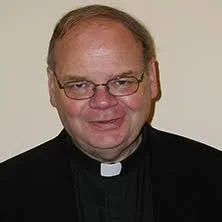
Guest: Monsignor Raymond Kupke
Listen Anywhere You Stream
~
Listen Anywhere You Stream ~
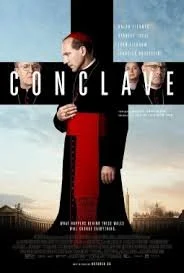
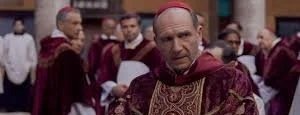
In Conclave (2024), Cardinal Thomas Lawrence (Ralph Fiennes) organizes a conclave to elect a new pope. Key candidates and factions vie with one another as the process plays out until finally a new pope is elected. The film was directed by Edward Berger from a script by Peter Straughan (based on the 2016 novel by Robert Harris), and features an all-star cast including Fiennes, John Lithgow, Stanley Tucci, and Isabella Rossellini. The film provides a window into the process for electing a new pope, along with the legal, historical, and political forces that have shaped it.
26:58 The Roman Curia
26:38 The nuns in the film
30:05 Symbol and ritual: the smoke from the chimney
32:17 The custom of a new pope choosing a name
36:55 Struggles over different visions of the church
40:58 How accurate was the film in capturing a conclave?
42:39 How the conclave has changed
45:04 Possible future changes to the papal selection process
0:00 Introduction
2:32 The origins of the conclave
5:29 Electing a new pope
8:03 The College of Cardinals
10:23 The Apostolic Constitutions
14:46 The contentious conclave in the film
21:05 Naming a new cardinal in pectore
24:51 Leo XIV, the new pope
Timestamps
-
00;00;17;03 - 00;00;41;21
Jonathan Hafetz
Hi, I'm Jonathan Heifetz, and welcome to Law on Film, a podcast that explores the rich connections between law and film. Looking at how law influences film and film influences law. This episode looks at conclave, the 2024 film that centers around the election of a new pope. Key candidates and factions vie with one another at the conclave, until finally a new pope is elected.
00;00;41;24 - 00;01;10;25
Jonathan Hafetz
The film was directed by Edward Berger from a script by Peter Straughan, based on Robert Harris's 2016 novel, and features an all star cast including Ray finds, John Lithgow, Stanley Tucci, and Isabella Rossellini. The film provides a window into the process for electing a new pope, one that we saw in life recently, and an opportunity to explore the legal, historical and political forces that have shaped it in the past and continue to shape it today.
00;01;10;28 - 00;01;40;26
Jonathan Hafetz
Joining me to discuss the film is Reverend Monsignor Raymond Cook. Monsignor cook was ordained a Catholic priest for the Paterson diocese in 1973, and was named a Relative Honor Monsignor by Pope John Paul the Second in 1998. Monsignor cook earned his PhD from the Catholic University of America. His doctoral dissertation, James J. Norris An American Catholic Life, focused on the only layman to participate in the debates at the Second Vatican Council.
00;01;40;29 - 00;02;05;06
Jonathan Hafetz
Monsignor cupcake is an adjunct professor of church history at the School of Theology at Seton Hall University, where he teaches general courses in church history as well as electives in the new Jersey church, the Medieval Church, the Counter-Reformation, and Vatican Two. Monsignor cook has previously served as parochial vicar and pastor of several churches in new Jersey, and also as the vice chancellor and secretary to the Bishop of Paterson.
00;02;05;12 - 00;02;29;23
Jonathan Hafetz
He's the author, among other publications, of Living Stones, a history of the Catholic Church in the Diocese of Paterson, and articles in the New Catholic Encyclopedia and the Encyclopedia of American Catholic History. Monsignor cook also writes a column on new Jersey Catholic history for the beacon newspaper of the Paterson Diocese. Monsignor cook. Welcome to the podcast. I'm so grateful you're joining me to talk about the movie conclave.
00;02;29;25 - 00;02;31;27
Monsignor Raymond Kupke
Thank you. I'm happy to be here.
00;02;31;29 - 00;02;51;29
Jonathan Hafetz
So conclave gives us a lens into the process for people succession that I think people are very familiar with at a general level, given the recent election of the new pope for the church. So let's just break down some of the key features and the history behind it. Let's start with what is a conclave and how did it come about historically?
00;02;52;02 - 00;03;25;19
Monsignor Raymond Kupke
Conclave is a meeting of the cardinals to elect a new pope. The name conclave comes from the Latin with a key, and it refers to the fact that they are pretty much locked up. And, removed from the world so that they can focus on the task at hand. Electing a new pope. The locked up portion goes back to the 1200s, when sometimes conclaves would go on for months and in a couple of cases, even years.
00;03;25;22 - 00;03;39;24
Monsignor Raymond Kupke
And, eventually the, the Romans got, disgusted with the whole process. And so they decided that they would lock the Cardinals up until they actually produced a new pope.
00;03;39;27 - 00;03;54;00
Jonathan Hafetz
And so today is is something that's continued primarily out of tradition or does this, the conclave and the locking up still serve kind of a function or a practical value?
00;03;54;02 - 00;04;18;10
Monsignor Raymond Kupke
Well, in the last 100 years, it has been more out of tradition. But it does have, you know, the focus of focusing them entirely on the task at hand. Know, you don't get your cell phones. You don't get to deal with the houses and business. You know, you're not bothered by the outside world. You just have this period to do nothing else but to pray and vote.
00;04;18;12 - 00;04;26;17
Jonathan Hafetz
And the location, the Sistine Chapel, the Apostolic Palace in Vatican City. Why that location?
00;04;26;20 - 00;04;52;29
Monsignor Raymond Kupke
It's kind of arbitrary in one sense, and has not always been there. The conclave of 1800 under emergency circumstances was actually held in Venice, I think actually on the same island that Jeff Bezos got married on. But in general, it's held at the Vatican because Rather's headquarters and it's easier for the two counties of running a conclave to do it there.
00;04;53;02 - 00;05;20;18
Monsignor Raymond Kupke
The Sistine Chapel is an obvious choice, although up until 1965 the number of voters was restricted to 70 and more recent conclaves. It has gone up to 120 this last time, 130. So it'll be interesting to see if the Sistine Chapel continues to be the venue, because it's getting harder to fit everybody in there.
00;05;20;21 - 00;05;24;17
Jonathan Hafetz
Interesting. I mean, it's obviously desirable for a host of reasons.
00;05;24;22 - 00;05;27;29
Monsignor Raymond Kupke
Yeah, for dramatic effect. You can't beat the Sistine Chapel.
00;05;28;01 - 00;05;37;18
Jonathan Hafetz
You really can't. And on the number, we'll talk a little bit about the election of and how it's done and the increase of number. Those are all cardinals right. Those are the individuals who.
00;05;37;21 - 00;05;44;16
Monsignor Raymond Kupke
These were all cardinals who have not yet reached the age of 80. On the day that the pope dies.
00;05;44;18 - 00;05;47;16
Jonathan Hafetz
After 80, they no longer they no longer can.
00;05;47;17 - 00;06;02;02
Monsignor Raymond Kupke
Once they hit 80, they are no longer admitted to the conclave. So of the ones that voted for for Pope Leo, there are already two that have aged out since then.
00;06;02;05 - 00;06;10;06
Jonathan Hafetz
Has that always or some form of age requirement? Always been there? I mean, I assume it wouldn't have been 80 in the centuries ago, but is that always been a requirement?
00;06;10;08 - 00;06;38;02
Monsignor Raymond Kupke
The 80 rule goes back to Paul the Six, who was the pope in the 1960s and, basically the modern medicine and everything else. People were living longer. And I think there was some sense that, the conclave was becoming a general autocracy. Possibly. So he is the one who created the regulation that once you had 80, you no longer participate in the conclave.
00;06;38;04 - 00;06;51;16
Monsignor Raymond Kupke
It also gave them the opportunity to continue to create younger cardinals from around the world without having to worry about, pushing out some of the older men.
00;06;51;18 - 00;07;07;00
Jonathan Hafetz
That's very interesting. I mean, slightly off topic, something that we're grappling with in our political institutions and legal entities in the United States where, you know, a lot of talk about the gerund accuracy, but there seems to be no, there's no 80 or over rule. So it seems that, you know, like a sense of the form.
00;07;07;02 - 00;07;26;25
Monsignor Raymond Kupke
If all the cardinals participated today, the breakdown between the under 80 and the over A is almost equal. So you would be adding 100 additional cardinals over the age of 80, one of whom will celebrate his 100th birthday in September.
00;07;26;27 - 00;07;35;27
Jonathan Hafetz
And these cardinals, all of these are the cardinals form part of the College of Cardinals. And they all participate, with the exception for those who've aged out.
00;07;36;00 - 00;08;02;26
Monsignor Raymond Kupke
Yeah. You know, there might be 1 or 2, for example, this most recent conclave, there was one cardinal from Spain who was unable to make it because of health, even though he was under 80. His health was so, difficult that his doctors would not let him go to Rome for the conclave. But basically, it's everybody. Everybody who was under the age of 80 on the day the conclave opens.
00;08;02;28 - 00;08;10;16
Jonathan Hafetz
And how is the dean of the college selected? And what role does the dean play in papal selection of the dean of the College of Cardinals?
00;08;10;18 - 00;08;37;19
Monsignor Raymond Kupke
The college is divided into three groups the cardinal bishops. The cardinal priests. The cardinal deacons. This is a reflection of the clergy of Rome a thousand years ago. So the cardinal bishops are the senior group there. You know, there's about ten of them. And when a dean dies, they vote among themselves for a new dean. And the Pope then confirms it.
00;08;37;21 - 00;08;56;29
Monsignor Raymond Kupke
It does not necessarily mean, though, that the dean gets to go in the conclave, because, again, he's subject to the over 82. So in this particular most recent conclave, the dean led the funeral for Pope Francis, but did not actually go into the conclave.
00;08;57;01 - 00;08;59;04
Jonathan Hafetz
Because of the age limit.
00;08;59;07 - 00;09;10;08
Monsignor Raymond Kupke
He was over the Asia, I think, actually the dean, which is remarkable if you watch footage of the papal funeral. The dean is 91.
00;09;10;11 - 00;09;17;00
Jonathan Hafetz
And then in terms of becoming a cardinal, how, you know, since they are the people who vote on the conclave, how do you.
00;09;17;00 - 00;09;17;27
Monsignor Raymond Kupke
Become a cardinal?
00;09;17;28 - 00;09;19;12
Jonathan Hafetz
How do you become a cardinal?
00;09;19;15 - 00;09;50;05
Monsignor Raymond Kupke
Basically, the pope is free to name any Catholic priests that he wants. There are traditional places that produce the cardinals, but it's entirely up to the Pope. Traditionally, there are certain jobs and certain positions, like Archbishop of New York, that traditionally are held by a cardinal. But that's not written in stone anywhere, and it's entirely up to the current pope.
00;09;50;09 - 00;10;20;26
Monsignor Raymond Kupke
You know, Pope Francis was famous for wanting to spread the job as far and wide as he could to the peripheries, as he would say. So there were a number of countries in this most recent conclave that had cardinals present that have never, ever had a cardinal before. Places like Mongolia and Sweden, Mali Unga. These were whole new places in terms of the College of Cardinals.
00;10;20;29 - 00;10;35;07
Jonathan Hafetz
What's the apostolic constitution? And in particular, what was Pope John Paul the second to pass the Constitution? The university dominantly. Greg. And how did it alter the papal selection process?
00;10;35;10 - 00;11;11;02
Well, almost every one of the, the modern pope so slightly tweaked the election process based on whatever they perceived, to be awkward or obsolete. With John Paul, the second. So what he did was to eliminate two other possible ways, and letting the Pope. So in the older method, there were three different ways. In the modern era, we never used him to work for Italy.
00;11;11;04 - 00;11;35;12
And with John Paul the second, they eliminated those two forms. One form would be by almost, up to a claim, you know, suddenly the cardinal jumps up and says, I think he should be Pope. And then enough of them jump up and say, yeah, yeah, yeah. And, you know, it's this election by acclamation rather than by building.
00;11;35;14 - 00;12;08;04
The other method would be if the voting, the balloting was really deadlocked after a long time, and then and committee was formed and the committee would do the electing. So John Paul's, Constitution eliminated both of those. And again, they have not been used in, in over 100, 200 years. So he just eliminated them from the possibility. And today, the electing of the Pope is John 123 ballot.
00;12;08;06 - 00;12;26;13
Jonathan Hafetz
So basically then what you have is the way it works today where and we see in the movie where you have ballots take in different rounds of voting until someone gets the two thirds vote, those are done in secret. And then when someone gets the two thirds vote or the two thirds majority, you have the new pope.
00;12;26;16 - 00;12;28;18
If he says yes.
00;12;28;20 - 00;12;30;11
Jonathan Hafetz
If the Pope accepts.
00;12;30;13 - 00;12;45;27
Right. So if somebody gets the two third ballot, then they, they go and ask him, do you accept your election as pope? And, presuming he says yes, then they move on to the white stroke.
00;12;45;29 - 00;12;53;01
Jonathan Hafetz
Has there ever been a situation where an individual who was elected refused the papacy or declined it?
00;12;53;03 - 00;13;12;09
That's a good question, because theoretically they are not allowed to tell us what happens in the conclave. But the general rumor is that in the 1963 conclave, the winner hesitated and asked them to take the second confirmed ballot.
00;13;12;11 - 00;13;23;13
Jonathan Hafetz
So it exists in theory. Maybe that happened in practice or something like at one time. But there is the formal requirement of acceptance. And at that point you have the new the new pope.
00;13;23;15 - 00;13;38;00
And there's a heavy, there's heavy emphasis on saying yes. Usually there's an expectation before the first ballot. And one of the points is that, you know, if you're elected, please sign us.
00;13;38;03 - 00;14;00;10
Jonathan Hafetz
So the movie centers around, well, it's a number of different characters, but one of the main ones is the dean of the College of Cardinals. Ray, played by Ray, finds who organizes the conclave. And there's some question about whether he has ambitions himself to become the pope or if he dies. Whether you know, he even is aware of them himself.
00;14;00;12 - 00;14;03;12
He should be careful, Thomas. Their own.
00;14;03;12 - 00;14;04;17
Jonathan Hafetz
Ambition has not.
00;14;04;17 - 00;14;05;02
Gone.
00;14;05;02 - 00;14;06;09
Jonathan Hafetz
Unnoticed.
00;14;06;12 - 00;14;25;00
This might be seen as a tactic to blacken the name of a rival. Well, that's a despicable accusation, is it? I wonder if you really are so very reluctant to have the chalice pass to you. I should pretend this conversation never took place.
00;14;25;03 - 00;14;32;24
Jonathan Hafetz
How often does the. Does the dean of the College of Cardinals become pope? Is that common or very uncommon?
00;14;32;24 - 00;14;46;19
Actually. In the last several, the dean doesn't always get into the conclave because of his own age. And even if he were there, it's not a shilling at all if he would be elected.
00;14;46;21 - 00;15;13;29
Jonathan Hafetz
The film conclave gives the impression of a highly contentious political process that operates behind the scenes, so we see, for example, jockeying between Bellini, the Stanley Tucci character who initially want to become pope but then shifts his focus to preventing others from obtaining the papacy. Tremblay, the John Lithgow character, sort of every ambitious Tedesco played by Sergio Costa.
00;15;13;29 - 00;15;41;02
Jonathan Hafetz
Lito, the conservative candidate who also insists that the new pope should be Italian. There hasn't been 1 in 40 years. Adeyemi, Lucien. Miss smarty, who's the Cardinal from Africa there's support for. But then the discovered he had fathered a child in the past. And so there's kind of a heated but intense interchange at one point between Bellini and Stanley Tucci character and Thomas Lawrence, the refined character about what the conclave is.
00;15;41;04 - 00;16;03;11
I thought we had your support. If we liberals are not united to disco, we'll become pope. You have no idea how bad it became, Thomas. The way he had a circle attack. The only policy towards the end, the smears leaked to the press. It was savage who fought on every single day of his pontificate. And now that he's dead, who wants to destroy his life's work?
00;16;03;13 - 00;16;21;28
If Tedesco becomes Pope, he will undo 16 years of progress. Talk as if he were the only alternative. But then, as I am, he has the wind behind him a day. I was only the man who believes that homosexuals should be sent to prison in this world, and hell in the next, and the end is not the answer to anything.
00;16;22;01 - 00;16;36;09
You know what? If you wanted to defeat. This is a conclave. Although it's not a war. It is a war. I mean, you have to commit to a side save. There are precious doubts for your prayers.
00;16;36;11 - 00;16;44;19
Jonathan Hafetz
So, does the movie give a realistic insight into the behind the scenes activity and intrigue? As far as you can tell.
00;16;44;22 - 00;17;14;28
I'm not sure that it comes out exactly the way to the movie, but certainly there would be behind the scenes discussion. The Cardinals themselves meet for nine days before the conclave even opens. Settling the details of the funeral and settling the details of the conclave. So in the process, they get to meet each other and sizing each other up.
00;17;15;00 - 00;17;44;21
In an earlier era, there were what were sometimes called kingmakers. You know, the cardinals who were at Rome all the time and were head of different Vatican departments and would actually know all the other cardinals because at some point they would have had some reference to them as head of these departments. But the Cardinals themselves, do, you know, travel and everything else and communication.
00;17;44;24 - 00;18;13;22
The cardinals rarely saw each other or had any dialog with each other except in the conclave. So they would get to Rome. And the only ones that really knew all of them were the ones heading the Vatican departments. And so they might have more of an influence in the sense of, you know, suggesting to different people that maybe you might want to consider throwing your vote in this direction today.
00;18;13;28 - 00;18;55;02
So much of that has changed because with modern transportation, the last two, three popes have brought the cardinals together much more often. So they actually have had more dialog with each other outside of the conclave. And they come in to the conclave without quite as as much of a blank slate as they would have before. And certainly the meetings before the conclave, among other things, are to assess what type of opponent the church thinks and what are some of the issues that are facing the church.
00;18;55;05 - 00;19;16;04
What do we need? What do we need to look for in somebody who's going to take this job? So by the time they actually get into the conclave, they've all had time to think about that. And certainly there are probably some people going around suggesting you know, we really should take a look at that time over there. Have you read anything you've written?
00;19;16;07 - 00;19;43;01
Have you talked to them? We might want to do that because I think he would be a likely candidate for what we're looking for. So there's that kind of, if you will, politicking occasionally you might find somebody that really has a really, really hard core belief that, you know, we need to do something in a certain direction. And he might be more assiduous in pushing his viewpoint.
00;19;43;02 - 00;19;48;22
But in general, it's so much more of a soft cell kind of a thing.
00;19;48;24 - 00;20;10;18
Jonathan Hafetz
The movie does give a kind of a sense, I mean, doesn't show what you that really helpful background you illuminated about the pre conclave meetings and everything but a sense of that they're sort of known entities, to some extent. And there's a sort of different positions. And a lot of the battle in the movie is or the struggle is sort of what sounds the inner personal struggles, what type of Pope should be chosen next.
00;20;10;18 - 00;20;15;09
Jonathan Hafetz
So to some extent, the movie does seem to get it right in that broad sense.
00;20;15;12 - 00;20;43;26
You know, there's an old Roman saying, you know, the Romans are great for these things, but, there's a couple of them with their conclave. They say that, whoever goes into the conclave, the Pope comes out a cardinal. In other words, it's never the front runner. At least not according to the press. And the other is that, you know, you could always challenge what the cardinals thought about the last pope by whom they elect to succeed.
00;20;43;27 - 00;21;04;21
And you know, what they felt were the nursing homes that were not being taken care of, were not being paid attention to. So you can kind of judge their sense of where things are going by the type of person that they elect as the next pope.
00;21;04;24 - 00;21;27;17
Jonathan Hafetz
And so in the movie, the pope that's ultimately elected. Right. Benitez. He's a new cardinal. He was the archbishop of Kabul in Afghanistan. He wasn't on the original list of the cardinals in the college, but was appointed appointed by the late pope. Right. Actually. Impactor. Yeah. To. What's that procedure? And has it been you had it been used in the past?
00;21;27;20 - 00;22;00;16
They play around with that a little bit in the movie. Making a Cardinal in Petra. I mean, the word in country means in the breast or in the heart. So the Pope names this cardinal, but does not publish the name. Very often that happens because of the particular situation the man finds himself. Several of the last popes named cardinals and factory from behind the Iron Curtain, back in the days when that was an issue.
00;22;00;19 - 00;22;32;21
And you only become a cardinal, you know, you only actually take up the responsibility if the Pope eventually publishes the name. And when he does, then you take up your rank from the time he made you Inspector. So there have been several occasions where the Pope has named the cardinal and secretary from China, for example, or from former Yugoslavia, from Ukraine, and just published it for the sake of the safety of the individual.
00;22;32;21 - 00;22;58;16
And then later on, when things were more opportune, they would publish it. A couple of them have never been published, and so we have no idea who they were, because the Pope went to his grave without having ever actually published him. So the situation in the movie is a little bit out of sync, in the sense that the gentleman from Kabul is suggesting that it was published, but nobody knew about it.
00;22;58;16 - 00;23;13;05
And that's that's probably not the way the thing is meant to be used. If he were, if he was never published, never made known by the Pope, then he would not be eligible to go in the conclave.
00;23;13;08 - 00;23;30;12
Jonathan Hafetz
It's interesting to how his you know, how he ends up being chosen, right? He's certainly like a dark horse candidate, right? No one expects that he's going to get the votes. Don't even really thinks of him. And by a series of process rights, some of the competitions and people are disqualified, effectively based on some personal scandals.
00;23;30;16 - 00;23;59;12
It's at that point, I think, that the movie goes, you know, off the rails a little bit and succumbs to the temptation. You know, the outsider, the one who doesn't fit any of the accepted norms, you know, suddenly becomes the winner. It's not unlike the, the final part of choosing the fisher, you know, half a century ago where the outsider, the last guy to show up, suddenly becomes pope.
00;23;59;15 - 00;24;11;07
Jonathan Hafetz
And it's not that tends to not be how it happens, even though the front runner isn't the one. It's never usually. I guess using someone who's, that obscure sometimes.
00;24;11;09 - 00;24;37;06
You know, sometimes the press has a right. Sometimes the guy who's the front runner in the media actually does become both. You know, certainly that happened in 63 and happened in 1939. But very often I think, for example, in this most recent conclave, everybody discounted the winner simply because he was an American. And when push came to shove, that didn't matter.
00;24;37;06 - 00;24;40;27
As much to the Cardinals as people thought it did.
00;24;40;29 - 00;24;51;01
Jonathan Hafetz
Yeah, it's it's interesting to see how the, you know, you got to read about it. Certainly for me, as a kind of an outsider and just to see, you know, who's picking who, why. And then very interesting to see how it turns up.
00;24;51;03 - 00;25;13;01
He rather quickly put together a winning majority, you know, even though the American press thought they would never elected him. So it was a surprise to come out on the balcony. But he has, you know, one thing that the Americans in general is usually do not have, and that's the gift of languages.
00;25;13;03 - 00;25;16;25
Jonathan Hafetz
Right. And the experience in South America.
00;25;16;28 - 00;25;45;08
Yeah. But he could also get out on the balcony and speak in Italian, Spanish, Portuguese. You know, most of the Americans up till now have not had that for sure of it. You know, we're kind of notorious for, you know, we speak English and everybody else does too. So that makes you a little bit less selectable to elect an American pope to Latin American as bishop of Rome, who can speak Italian?
00;25;45;11 - 00;26;08;14
There's a little bit of a stretch. You know, ultimately, when all is said and done, the pope is the bishop of Rome. And for all practical purposes, Italian is the lingua franca of the Korean. So to the left, the Pope, who cannot handle the Italian. You know, it's not impossible, but not likely.
00;26;08;16 - 00;26;19;10
Jonathan Hafetz
It's. You just referred to the Curia. I wanted to ask you just if you could, because that's one of the other terms used in the movie, you know, and a lot. And what actually is the Curia and what does it do?
00;26;19;12 - 00;26;56;04
The colonia is the structure that supports the Pope in his role as the universal shepherd. So it's comprised of groups that we now call de Castries, each one of which is given responsibility for a particular area of the church's life. Each to Castries consists of a number of cardinals headed by and a cardinal prefect, and then supported by a staff of bishops, priests, nuns, whatever is needed.
00;26;56;04 - 00;27;43;28
So it's taken together. That is the only. And like any entity, it can be, somewhat conservative, hidebound in its traditions and ways of operating. But at the same time, the Correa can be used by the Pope to affect his agenda, what he thinks needs to be done. You know, for example, the new pope could call in the prefect of the castrate for bishops, which was actually his job before he became pope, and say to us, you know, this is the type of man I want to appoint as bishops, find me candidates that look like this, finding candidates with this kind of background.
00;27;44;00 - 00;27;48;14
Jonathan Hafetz
So it's kind of a critical piece of the papal governance structure.
00;27;48;17 - 00;28;09;16
Right? John the 23rd, it was Pope, you know, from 58 to 63, famously responded to a reporter's question. You know, the reporter asked him how many people work in the Vatican, and he was looking for, you know, a number. And John's response was, about half of them.
00;28;09;18 - 00;28;34;20
And, you know, I think there probably is a description of every, every institution like that. I'm sure if you went into the federal government in the United States, you would find people there who have been entrenched in jobs for decades. And either are very, very good at them and almost indispensable, or who were just, you know, hangers on that have managed to work the system.
00;28;34;22 - 00;28;51;26
Jonathan Hafetz
One of the other important characters in the movie, you want to talk about her for a minute. Sister Agnes, played by Isabella Rossellini, has a very important behind the scenes role in the succession process. So what is the group of sisters that's around the Vatican? And what role do they play generally?
00;28;51;28 - 00;29;33;24
It's probably a changing situation as the career begins to employ more women, particularly nuns, in higher ranking positions in the career. It's going to be interesting to see how that develops. Traditionally, the women that are in the conclave, you know, have been basically housekeepers. There is not a major Rossellini prototype in recent conclaves, but you only get into the conclave again if you're a voting cardinal or an issue on the support staff.
00;29;33;26 - 00;30;05;12
You know, there's no group of people that go in there kind of in between those two options. Either you're a voter or you're cooking, cleaning, taking blood pressure. There's not much in between. There's no no support staff or secretaries and all that. So it doesn't make many opportunities for Rossellini character to suddenly get up and say what she said.
00;30;05;14 - 00;30;31;18
Jonathan Hafetz
One of the things that I think is so fascinating about the papal selection process is sort of the intersection between some of these different sort of legal processes and symbol and ritual. And I think certainly among the most iconic is the smoke right from the Sistine Chapel chimney. Yeah. Indicate the cardinals have not elected a new pope, depending what the color is.
00;30;31;18 - 00;30;39;27
Jonathan Hafetz
Whether white smoke. Yeah, a new pope has been chosen. What's the origins of this process? And the symbols that are these symbols are used.
00;30;39;29 - 00;31;11;08
The smoke doesn't go back that for maybe 200 years, maybe not even that, but it's merely a way to signal to the people waiting outside that, you know, hang around because it's going to be a balcony announcement soon. You know, certainly in a modern age, they send out a text message or something, but the smoke has, it's kind of etched itself into the popular imagination as the iconic piece of, of the papal election.
00;31;11;14 - 00;31;43;22
Yeah. And, I was watching this last time, you know, several of the major news outlets had, you know, while they were doing regular programing, they also had a 24 hour watch on the, on the smokestack there. But the people who watch these things, they know almost exactly when the smoke should come out, they can tell you if there's been an election even before the smoke, and then, you know, they have the whole thing in their mind.
00;31;43;24 - 00;32;05;02
They know how long it should take for this number of people to vote. And if they reach that point and there's no smoke to them, that means that there actually has been an election, because that takes a little bit longer to then go ask the guy at excepts and what name he wants and dress them up and everything.
00;32;05;05 - 00;32;15;20
So if there's two long wait for the smoke, you know, they presume that there actually has been an election and, you know, the white smoke will come out very strongly.
00;32;15;22 - 00;32;32;09
Jonathan Hafetz
And the I you mentioned the name, right. Which is also, I think, you know, important. Right. In the movie we have we see the Benita is the cardinal who's elected, chooses the name innocent. So what's the origin of newly elected popes choosing their name?
00;32;32;11 - 00;33;14;01
The legend is that it goes back pretty far, I think, in of the seven hundreds, when one of the popes that one of the guys that was elected pope, his given name was Mercury and pagan god. So he, upon his election, changed his name. And it has been pretty much the custom, although not entirely, but almost always something Pope takes on a new name, both as an indication of the new identity the saint going on, but also mean sometimes by choosing the name, he can give a signal as to what his priorities are going to be.
00;33;14;04 - 00;34;00;09
The new pope, you know, choosing the name Leo, the last Leo, and the end of the 19th century. Leo the 13th was, considered to be an avant garde senior who redirected the church to the needs of the common man and the worker versus, labor versus, management, struggles over going on labor union strength. So he became concerned and involved and spoke out about all of those issues in a way that previous popes had not, you know, and in many ways helped to maintain the status of the working man within the life of the church.
00;34;00;11 - 00;34;10;13
So in choosing Leo, you know, this may mean that a new pope is going to be very concerned about that type of thing.
00;34;10;15 - 00;34;16;10
Jonathan Hafetz
And since it's in the movie, the name innocent, what might that signal? It's the name Benitez chooses.
00;34;16;12 - 00;34;49;17
We haven't had an innocent time. I think you have to go back to the 1600s before you find an innocent. The name is what it is. You know, it seems to suggest that someone is going to be story from earthly pressures and free from quickly, participation in the power strings and behind the scenes maneuvering. So the name seems to be giving off that kind of an aura sometimes.
00;34;49;17 - 00;35;21;10
So it, you know, when they pick a name, it might be almost more of a a sense of, clearing a particular pope that they liked and would like to imitate is his approach, you know, close to six when he was in that in 1963, you know, no one had the name Paul in centuries. And he he said that he took a piano because Paul was he never so the apostle of the Gentiles who went to all nations evangelizing.
00;35;21;10 - 00;35;31;20
And so that was his routine. You know, so they have different reasons, you know, in their own mind. They don't give a lot of time to think about it. So.
00;35;31;23 - 00;35;32;08
Jonathan Hafetz
Yeah, although.
00;35;32;08 - 00;35;35;16
I had over the ten over think it.
00;35;35;19 - 00;35;48;17
Jonathan Hafetz
Right. I mean, I don't know, I I'd have to maybe I would assume that those who are that go in knowing they have a kind of a chance and are interested in becoming pope, have probably thought about it.
00;35;48;20 - 00;36;23;12
Certainly, depending on who it is. I think that's the reality. But I think, you know, John the 23rd, who was elected in 1958, it was a very small conclave. It's it's the last conclave when the over 80 rule was not in effect. So it was a small conclave, just 51 men and many of them, I think quite the one calling, you know, decided in his mind it was going to be an Italian one more time.
00;36;23;15 - 00;36;45;27
And they kind of looked around the other Italians and said, oh, my God, you know, it's it's it could be me. So yeah. So he had a little time to, say, well, if I'm elected, they will take, you know, sometimes you get you got a little bit more time to think about that all the times, you know, it, it comes as a surprise and you just kind of like,
00;36;45;29 - 00;37;07;11
Jonathan Hafetz
That's a big in that case. That's a big decision to make. And, a short amount of times, at one point in the movie, I think one of the more important moments, Cardinal Lawrence, the Ray finds character addresses the other cardinals, the conclave, and he's talking about, what might be needed from the new pope.
00;37;07;13 - 00;37;37;03
Let me speak from the heart for a moment. Saint Paul said, be subject to one another out of reverence for Christ to work together, to, to grow together. We must be tolerant. No one person or faction seeking to dominate another. I'm speaking to the Ephesians, who were, of course, a mixture of Jews and Gentiles. All reminds us that God's gift to the church is its variety.
00;37;37;06 - 00;38;07;02
It is this variety, this diversity of people and views, which gives our church its strength and over the course of many years, in the service of our mother, the church admitted there was one sin which I have come to hear about for certainty. Certainty is the great enemy of humanity. Certainty is the deadly enemy of tolerance. Even Christ was not certain at the end the meal deal meal placate me.
00;38;07;02 - 00;38;41;01
I abandoned until he cried out in his agony at the ninth hour on the cross. Our faith is a living thing precisely because it walks hand in hand with doubt. If there was only certainty and no doubt there would be no mystery, and therefore no need for faith, let us pray that God will grant us a Pope who doubts, and let him grant us a Pope who sins and asks for forgiveness, and who carries on.
00;38;41;03 - 00;38;47;08
Jonathan Hafetz
How did you interpret this speech? And, the message from Cardinal Lawrence.
00;38;47;10 - 00;38;49;21
The message itself for the procedure.
00;38;49;24 - 00;38;53;11
Jonathan Hafetz
Well, both. I mean, if you could touch on both procedure and the message.
00;38;53;13 - 00;39;17;24
Yeah, again, the Cardinals take an oath that they will not talk about what goes on in the conclave. So it's hard sometimes to know about those instances, but I'm not sure. Then forget that they took the oath. The older man. This is the biggest thing in their whole life. You know, they can't help but to think about it sometimes.
00;39;17;26 - 00;39;46;13
So every now and then we find a little window of what actually happened. So before the first ballot, one of the cardinals very often one of the older cardinals is not going to be voted, will be invited to give a reflection, I understand that the reflection this past time was very long and almost up ended the first ballot because it had gone to like 8:00 and then voted yet.
00;39;46;16 - 00;40;23;03
But anyway, they did. So, you know, there's an opportunity there to say something, but that doesn't stop, apparently, other than from occasionally making little impromptu speeches here and there about what they see going on. You know, there's a story, legend, if you will, about the again, the 63 conclave that some of the Italians were holding out for their votes for Montini, and one of the other kind of got up and said, you know what's wrong with you guys?
00;40;23;03 - 00;40;51;05
You know, get over yourselves and vote for him. So who knows? You know how that there's no formal spot in the description of the conclave for that to happen, but doesn't happen? I would say, you know, almost certainly we know it did in the 19 three conclave in terms of what he said. I I'm sure that that type of thing is on the minds of some cardinals.
00;40;51;05 - 00;40;56;27
And, you know, would not be impossible for them to say something like that.
00;40;57;00 - 00;41;14;10
Jonathan Hafetz
So on the whole, how did you, you know, what was your overall impression of the movie? I mean, do you think within the confines of a Hollywood feature film, they did a pretty good job kind of conveying at least some of the kind of the procedures, the symbols around the conclave?
00;41;14;12 - 00;41;44;00
I think by and large, they did a good job up until the end. I think they asked any cardinal and the whole sense of it and result of the conclave was a little far fetched. But in terms of their description of the mechanics of the conclave, the dynamics of personalities, you know, that could happen that could happen in any conclave, you know, presumably does from time to time.
00;41;44;02 - 00;41;55;28
So I think they were they were not entirely off the mark until they got maybe the last third of the movie. And then they tend to go off until Hollywood.
00;41;56;00 - 00;42;00;22
Jonathan Hafetz
Yeah. You have the dramatic scene of the bombing, right, as well. It kind of gets. Yeah.
00;42;00;26 - 00;42;15;26
And even voting for the Afghani, you know, and the questionable things about him, you know, that wouldn't be likely to happen that a lot of time. But in terms of describing some of the tensions that might go on there.
00;42;15;28 - 00;42;19;01
Jonathan Hafetz
And the type of factions that you might see, at least at a level.
00;42;19;02 - 00;43;02;00
Yeah, sure. You know, there might be a solid group of men that think that this is the direction they should go in, and they may wind up going head to head with the groups and think, you know, we should head this way. You know, I mean, all that of the prayer and dialog of the Holy Spirit. And somehow you come out of it with the Pope and, you know, the again, the conclave has changed the last 2 or 3 times, among other things, because they're in a fairly comfortable setting today compared to what they were in, you know, even as late as the 63 or 78 conclave, you know, before John Paul, the second
00;43;02;00 - 00;43;51;10
build type of residence where the cardinals came out during a conclave, you know, it could be, know very uncomfortable living situation and that would intensify the pressure, you know, for example, of the 1963 conclave, the sixth, in early August of 63. I'm sorry. And that's a 60 group of 78 historians scratching three. So Paul, six died in August of 78, which meant that the conclave started, you know, around Labor Day, which is the hottest time of the year round, you know, and, you know, walking them all up in makeshift bedchamber in the palace, you know, one of them said we would have voted for anybody.
00;43;51;10 - 00;43;59;13
It was so hot in there. Whereas today it's a much more comfortable arrangement. So those pressures are nothing else.
00;43;59;16 - 00;44;15;25
Jonathan Hafetz
Yeah. You don't get that sense from the movie. I mean, they're it's a conclave and they're locked in effectively. But you don't get that sense that it's a particularly like sort of unpleasant thing where they're just, as you said, like you're going to vote for someone just so they can leave, which I can imagine how that could have been in the past.
00;44;15;27 - 00;44;37;08
Particularly, you know, they they took the locked up thing seriously in the sense that they locked up the windows. And, you know, there is a rumor of a reported scene between one of the senior Italian cardinals and one of the assistance at the conclave without opening up a window to let some air in there, because there was a lot.
00;44;37;11 - 00;44;50;23
And the insistence that, no, no, no, the Cardinal says, if you don't open this window, I'm going to tell it. So that would increase, you know, tension and pressure and everything. So they managed to manage time.
00;44;50;25 - 00;45;10;21
Jonathan Hafetz
You know, what's so interesting in that? How the way there's this kind of centuries long traditions at the same time, how you described there are, changes that are made. For example, the introduction of the rule that, you know, you can't participate if you're over 80. Do you see in the future any ways that the papal succession process might change?
00;45;10;21 - 00;45;22;07
Jonathan Hafetz
I mean, you alluded to the size and the space. They might have to do it in the Sistine Chapel, but any other ways where that if you kind of looking fast forwarding now some decades ahead, how the papal selection might evolve.
00;45;22;10 - 00;45;54;08
You know, there's always talk about broadening the process because ultimately it's the last pope that really gets to determine the process and the type of people he picks as cardinals. So there's always speculation about maybe eventually a pope would create late cardinals. That's some of the jobs in the Vatican would, go to the laypeople, which is actually happening at this point, you know.
00;45;54;08 - 00;46;20;21
So would they ever appoint one of them as a cardinal? You know, it would take a lot of I don't know what you would say, a lot of them moving to do that because there's a lot opposed to it. But, you know, that's always a speculation that the that the voters themselves would be broadened out. And de facto, they have been broadened out over the last 200 years.
00;46;20;23 - 00;46;47;25
For example, the fact that the College of Cardinals is a more universal group than it would have been even 100 years ago, and also the fact that everybody can get there now. You know, there was a time when even if you weren't Cardinal, you couldn't possibly vote because you couldn't get to Rome fast enough to participate. So it has changed the makeup of the voting.
00;46;47;28 - 00;47;08;29
So at this point, you're saying, you know, at some point in the future, some pope kind of start creating lane cardinals, female cardinals, whatever, change to the nature of the cardinal itself. So in order to incorporate a broader participation in the voting process.
00;47;09;02 - 00;47;16;01
Jonathan Hafetz
Any final thoughts on the film or the papal selection process? You wanted to add?
00;47;16;03 - 00;47;40;20
I thought the film was entertaining. I thought they did an awful lot of research and, remained faithful to the process to a remarkable degree for most of the movie. And then, you know, when Hollywood ultimately at the end and went off in a direction, certain problems, that crap was then going to the process itself. I think, you know, it works.
00;47;40;23 - 00;48;05;29
You know, it has given us some remarkable leadership over the course of the last few centuries. Certainly in movies, the attention of the world, you know, everybody's looking at that smokestack. So, you know, it's a process that has been fine tuned over the centuries trying to keep it modern and at the same time trying to keep it faithful to its own.
00;48;06;01 - 00;48;43;28
I was in the Sistine Chapel once, a couple of weeks after the conclave. I happened to be in Rome, and somebody took me in there. And, you know, in my naivety, I thought, you know, it was obvious that they had a, a fake floor over the chapel. In my naivety, I thought it was because the pavement is so uneven in the chapel that, you know, they were afraid that some of the elderly cardinals would try on tripping and falling and, you know, and I mentioned that to the two gentlemen and they said, no, no, he says, that's not what it's for.
00;48;43;28 - 00;49;15;11
It seems there's all the all the antique bugging devices are hidden underneath the floor. So I certainly try to keep up with the times somebody when, Benedict was elected, one of the reporters, you know, there was a tremendous amount of interest in the conclave because we hadn't done it in 25 years. So there was a whole generation of news media, people who had never seen this before, and they were fascinated by the details, you know?
00;49;15;16 - 00;49;30;14
So one of the main to me, what the symbolism was of tying all the ballots together with the thread, you know, I said basically to keep anybody who's taking a ballot out and selling it on eBay, you know.
00;49;30;17 - 00;49;39;17
Jonathan Hafetz
Okay. I mean, yeah, it's it's amazing how you see the sort of the pragmatism and the ritual kind of overlapping in ways that sometimes are hard to separate.
00;49;39;19 - 00;49;40;26
Yeah, yeah.
00;49;40;29 - 00;49;45;28
Jonathan Hafetz
Well, Monsignor Koepka, I want to thank you again for for coming on.
00;49;46;01 - 00;49;47;12
No problem. Thank you.
Further Reading
Allen, John L. Conclave: The Politics, Personalities, and Process of the Next Papal Election (2002)
=Baumgartner, Frederic J., Behind Locked Doors: A History of the Papal Elections (2003)
Harris, Robert, Conclave (2016)
Povoledo, Elisabetta, “A Papal Primer That’s Fiction, but Also Rings True,” N.Y. Times (Mar. 2, 2025)
West, Morris, L., The Shoes of the Fisherman (1963)


Rev. Msgr. Raymond Kupke was ordained a Catholic priest for the Paterson Diocese in 1973, and was named a Prelate of Honor (Monsignor) by Pope John Paul II in 1998. Msgr Kupke earned his Ph.D from The Catholic University of America; his doctoral dissertation, James J. Norris. An American Catholic Life, focused on the only layman to participate in the debates at the Second Vatican Council. Msgr Kupke is an Adjunct Professor of Church History at the School of Theology at Seton Hall University, where he teaches general courses in Church History, as well as electives in New Jersey Church, the Medieval Church, the Counter-Reformation and Vatican II. I also teach the practicum in Homiletics. He is the author, among other publications, of Living Stones. A History of the Catholic Church in the Diocese of Paterson, and articles in The New Catholic Encyclopedia and The Encyclopedia of American Catholic History.