
Episode 63: The Alabama Solution (2025)
Guest: Joseph Margulies
Listen Anywhere You Stream
~
Listen Anywhere You Stream ~
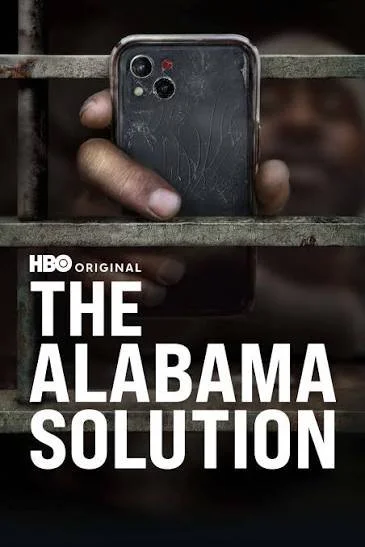
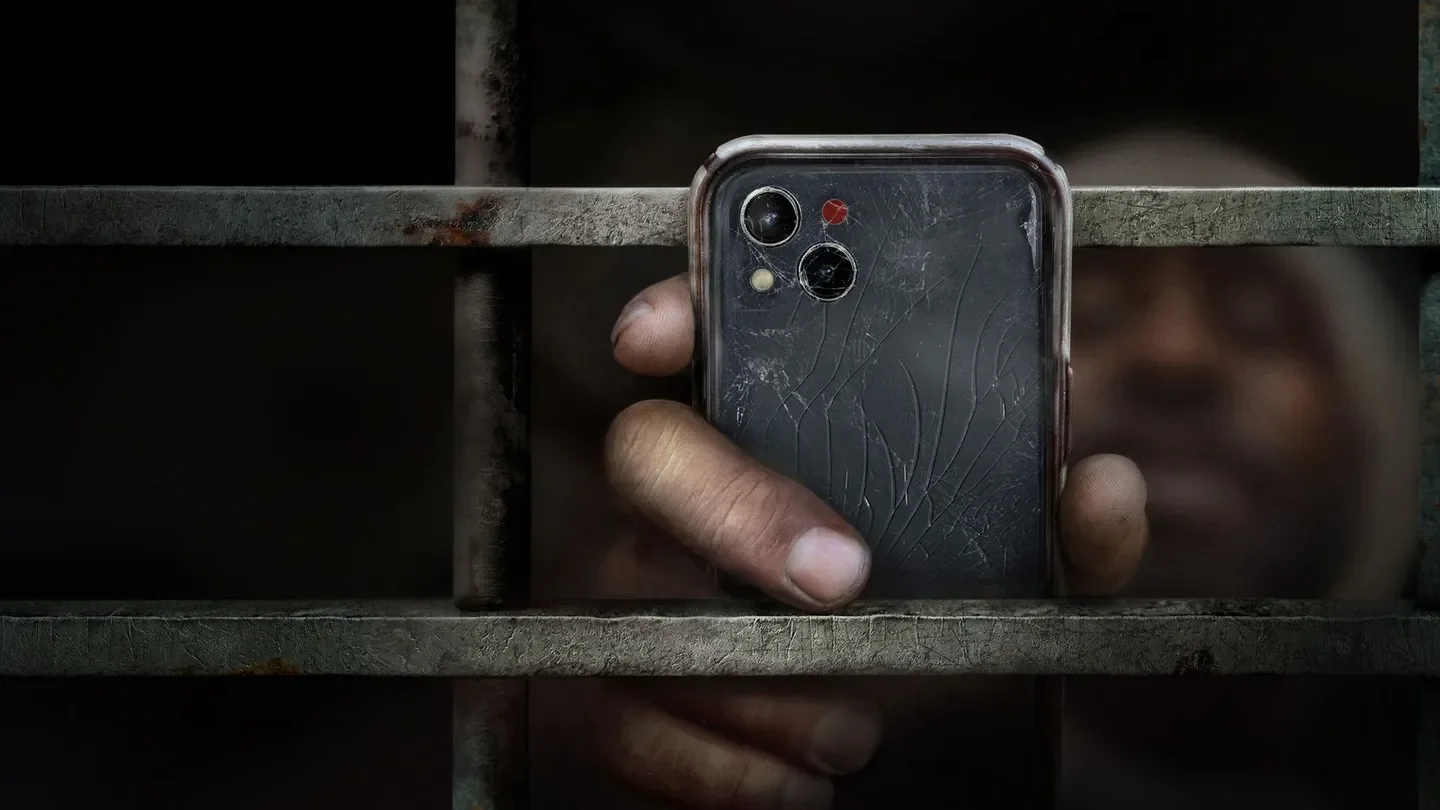
The Alabama Solution (2025) is a searing documentary about Alabama’s prison system and the broader crisis of mass incarceration. Directed by Andrew Jarecki and Charlotte Kaufman, the film draws on years of secretly recorded cell phone footage made by incarcerated people, offering an unusually intimate and unfiltered account of violence, isolation, resistance, and survival inside one of the harshest prison systems in the United States. The film shows how contraband cell phones transform incarcerated people from subjects of documentation into documentarians themselves, while prisoners’ families emerge as advocates, investigators, and conduits to the outside world.
22:09 The declining federal presence and state prisons
25:48 “The Alabama Solution”
31:45 A legacy of slavery
38:30 The challenges of investigating abuses in prisons
42:26 The moral obligation of prison reform
0:00 Introduction
3:48 Not an innocence movie
6:43 The cell phone footage
10:15 A system of dehumanization
17:37 The Free Alabama Movement
Timestamps
-
00;00;15;12 - 00;00;41;19
Jonathan Hafetz
Hi, I'm Jonathan Hafetz, and welcome to Law on Film, a podcast that explores law through film and film through law. Each episode focuses on a different film to examine the various ways law operates across institutions, society and culture, not just inside, but also outside courtrooms. This episode, we look at The Alabama Solution, a searing documentary about Alabama's prison system and the broader crisis of mass incarceration.
00;00;41;24 - 00;01;14;07
Jonathan Hafetz
Directed by Andrew and Charlotte Kauffman, the film draws on years of secretly recorded cell phone footage made by incarcerated people themselves, offering an unusually intimate and unfiltered account of violence, isolation, resistance and survival inside one of the harshest prison systems in the United States. The film shows how contraband cell phones transform incarcerated people from subjects of documentation and to documentarians themselves, while prisoners families emerge as advocates, investigators, and conduits to the outside world.
00;01;14;09 - 00;01;39;04
Jonathan Hafetz
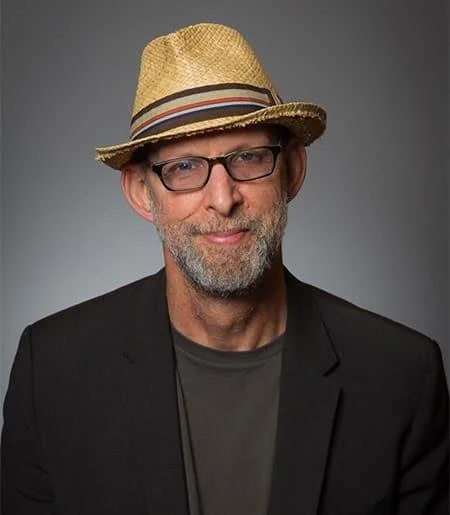
I'm joined for this episode by Joe Margulies to discuss how the Alabama Solution illuminates not only the constitutional dimensions of incarceration, but also the broader political and social realities of the American carceral system. Joe Margulies is a professor of the practice of government at Cornell University. Joe is also a veteran civil rights lawyer and acclaimed author whose work explores punishment, exclusion, and the politics of belonging in American life.
00;01;39;08 - 00;02;07;07
Jonathan Hafetz
Joe is the author of several influential books, including his most recent, the forthcoming thanks for everything. Now get out! Can we restore neighborhoods without destroying them? Across his work as a writer, teacher, and advocate, Joe is consistently challenged the impulse to demonize and exclude, instead insisting on a shared human dignity. Joe is also litigated landmark Supreme Court cases involving extrajudicial detention and abuse of executive power by the US government at Guantanamo and elsewhere.
00;02;07;12 - 00;02;16;14
Jonathan Hafetz
Cases that I've often had the honor and privilege of litigating alongside him. Joe, my friend, it's great to have you on law and film. John. Thank you. It's great to.
00;02;16;14 - 00;02;20;13
Joseph Margulies
Be here. Hey, can I. I hate to be ungracious. Can I correct one thing?
00;02;20;18 - 00;02;21;15
Jonathan Hafetz
Of course.
00;02;21;18 - 00;02;48;25
Joseph Margulies
Yeah. Good. So the book that is forthcoming is not. Thanks for everything. Thanks for everything came out in 2022. That's been out. The one that is coming out is called and is really appropriate for this conversation about the Alabama solution is called test out a call for a Forgiving Society in an Age of Incarceration. The book is coming out by Beacon Press.
00;02;48;28 - 00;03;33;09
Joseph Margulies
And it it takes as our starting place a very unforgiving society, the one we live in, uncaring, unyielding, ungenerous, and asks what it takes to create a forgiving society through the lens of the story of six different people, all of whom did horrible things. These are. There are no innocence cases here, and explores their life and asks. The reader challenges the reader to recognize themselves, to see us in them and them in us, in order to recognize what is true, which is any of us could have been any of them, and which is another way of saying that there is no them.
00;03;33;11 - 00;03;46;07
Joseph Margulies
Right. And I'm very proud of the book. I'm very I very gracious of you to say such nice things about the work that we've done together for all these years, but I think that this book is the best work I've ever done.
00;03;46;09 - 00;04;06;25
Jonathan Hafetz
I'm looking forward to reading and and encourage everyone to get a copy. You know, the book is also really resonates with the film, I think, for what you said, because this isn't a film about, you know, exoneration for people wrongfully convicted. You know, virtually everyone they focus on in the film, right? All the different prisoners that are sort of central to the film have committed crimes, some worse than others.
00;04;06;28 - 00;04;23;04
Jonathan Hafetz
There are some that were, you know, sort of low level. I mean, there's really one character who kind of gets caught up for something that's really not serious, but most of them are serious offenses, and they all admit that. But it's really about what happens to them and how they're treated in the film. And so the film kind of acknowledges that, and I think that's important.
00;04;23;05 - 00;04;58;05
Joseph Margulies
It is exceedingly important. It is exceedingly important. I mean, it's a whole separate conversation that we could have sometime. My reservations about the innocence movement and the innocence movement is important, and many of my friends are involved in it. And so I'm not being critical of it. But one consequence of it, an unintended consequence, is that it distills the question of the circle of people about whom we should have moral concern to those who are, quote, innocent, right?
00;04;58;09 - 00;05;13;13
Joseph Margulies
And it says those who are outside that circle are beyond our care, beyond. We don't have to care about them as a, as a moral matter. And that is a.
00;05;13;15 - 00;05;40;04
Joseph Margulies
Morally obscene judgment and one that is at the core of my personal belief. I take the position that no one is beyond our moral concern. And I believe strongly. You know, my career, I've been a criminal defense and civil rights lawyer for nearly 40 years, and it has always been on behalf of those who are the, quote, worst of the worst.
00;05;40;05 - 00;05;58;03
Joseph Margulies
I can't tell you how many people, how many of my clients have been described that way. And what I have discovered over the course of nearly 40 years is that in all the ways that matter, I am no different from them, and they are no different from me in all the ways that matter. I could be them. They could be me.
00;05;58;05 - 00;06;27;05
Joseph Margulies
And therefore any system that sets them up to be cashed out right beyond our moral concern, to treat them as though they were disposable is an obscenity, is an obscenity. And that's really what's going on in the Alabama solution. That's that's what you are truly seeing and literally seeing it because of the cell phones that are available in every prison in the country.
00;06;27;06 - 00;06;41;00
Joseph Margulies
Right. So you have recorded footage of what the brutality and immigration of high security prisons looks like. And it's you're right. It's shocking.
00;06;41;02 - 00;07;05;18
Jonathan Hafetz
The cell phone footage is I mean, it's obviously central to the documentary, a different film, but it really is just amazing what it provides. I mean, that's how you know, you have the inmates with the cell phones and they're able to sort of record what goes on in the film. You see footage of some of the things that the guards, violent things the guards do, just the conditions, and then you hear the voices of the inmates, especially a few of them, like Robert Earl counsel.
00;07;05;19 - 00;07;12;20
Jonathan Hafetz
Right. And Melvin Ray were sort of key protagonists in the film. But the cell phones are totally transformative. I think in terms of the picture it gives you.
00;07;12;28 - 00;07;36;23
Joseph Margulies
Yeah, absolutely. And it's worth understanding the way those cell phones get into prisons. I mean, cell phones are in every single prison in the country, and overwhelmingly they are smuggled in by correctional officers. I mean, the way they come in is through staff. So, you know, it's just part of the cumulative corruption that exists in every prison.
00;07;36;28 - 00;07;39;10
Jonathan Hafetz
Smuggled into cell to inmates. Right. Is that.
00;07;39;11 - 00;08;11;16
Joseph Margulies
But, yeah, it's part of the illegal trade. Look, no, prison is without an illicit black market, right? Because nobody can survive on. And particularly true in a place like Alabama where no prison labor is paid. Right. So no one can survive on that which is set up by the institution. Right. So there is a black market for everything, everything that that you need to survive, not everything you need to survive, but that which you that you might want.
00;08;11;23 - 00;08;32;28
Joseph Margulies
You know, a stand in a place that's not air conditioned food because the mess hall, the food is horrid. And often the mess hall is not a safe place. So you want to buy food. You know, there are many studies that show the average cost of what it takes for a person to survive inside, over and above what the prison gives you.
00;08;33;01 - 00;08;49;07
Joseph Margulies
And the numbers vary from state to state, but it's somewhere between 100 to $200 a month, right? That's a lot of money, right? A lot of people don't have that kind of money. So there's a black market for everything. There's a black market for everything, including for cell phones. Right. Well, how does that cell phone get in? Guards!
00;08;49;07 - 00;08;51;04
Joseph Margulies
Bring it in. They're paid for it.
00;08;51;06 - 00;09;09;00
Jonathan Hafetz
I mean, the movie talks about the drugs. I mean, they don't. That's huge. Which, yeah, I think that's something that's a little more well known, but the huge drugs. But the cell phones is amazing because they're trying to crush a lot of this. And we'll talk about is about the organizing, which is amazing that the prisoners do and the way they use the cell phones to mobilize people on the outside.
00;09;09;03 - 00;09;19;07
Jonathan Hafetz
And yet, even though they put them in solitary confinement for years, some of them and they do all these crackdowns, the cell phones still, you know, they still have cell phones still.
00;09;19;10 - 00;09;37;24
Joseph Margulies
Absolutely. Absolutely. On the outside, we call it solitary confinement. Right. And sometimes on the inside, they call it solitude confinement. In New York, they call it the box, that's all. That's what it's called in New York, if you go into seg or solitary confinement, New York, it's called being sent to the box. And its purpose is to isolate you from everyone else.
00;09;37;26 - 00;10;14;02
Joseph Margulies
Always, always. Folks inside will create ways of communicating with each other and with the outside world. People create community. People create connections. And it is is impossible to prevent. And that's a good thing, frankly, because if you truly separated people, if you truly isolated folks, you drive them insane within a period of weeks. In fact, it's the reason why long term solitary confinement is considered so destructive, because it breaks bonds of community.
00;10;14;04 - 00;10;30;22
Jonathan Hafetz
And the prison itself. Like the documentary talks about that the prisons are sort of walled off institutions. Right? And so what are some of the factors that help sustain that legal political culture, that that kind of secrecy that goes on, which I think the cell phones help to break. So.
00;10;30;24 - 00;10;52;19
Joseph Margulies
You know, there are formal mechanisms and informal mechanism. The formal mechanism is just the outside world can't freely walk in there. One of the things that Robert Earl mentions in the film is that how is it that journalist can go to war zones and film what takes place in a war zone, but they can't come into a prison and film what takes place here?
00;10;52;21 - 00;11;17;18
Joseph Margulies
So just literally a journalist can't walk in with a camera and film what's going on? Okay, so that's the formal mechanism, but the informal mechanism and the real reason it is allowed to happen is because the purpose in contemporary thinking is to cast people out. We only do this because we believe these people are unworthy. Right. And so you you throw them away.
00;11;17;20 - 00;11;41;28
Joseph Margulies
Well, nobody goes and picks through the garbage. Right. And so it's only because of this mindset that these people I'm putting in scare quotes are unworthy. They are beyond our concern. There are people whose treatment matters to us. And so therefore, what happens is there. Who cares what happens there? Right. You know, they're not us. They are not us.
00;11;41;28 - 00;11;57;18
Joseph Margulies
They are them. And as long as you believe that, you will allow institutions like those that are disclosed and revealed in the Alabama Solution, which exists all over the country to perpetuate.
00;11;57;20 - 00;12;18;20
Jonathan Hafetz
And, you know, in case anyone doubts said that those are exactly essentially what the words are, the way that the people are being talked about by the politicians in media when all the information starts trickling out. Right. So you start to you start to see information that's coming out. There's the brutal murder, which we can talk about of one of the prisoners, and the information starts coming out.
00;12;18;20 - 00;12;31;07
Jonathan Hafetz
And how do they respond? How does the attorney general respond? Exactly like you say, right. These are prisoners. They've been convicted. They deserve what they get. You can't complain in prison. Right. I mean, that's the narrative that's created, right?
00;12;31;08 - 00;12;56;08
Joseph Margulies
And unfortunately, that's a view that's widely held. Its dehumanizing. It is so. Look, you know this too, because we do the same sort of work. One of the reasons I wrote the book that I wrote that's coming out this fall is to communicate what I believe to be true, which is that I am no different from those who are in, and they are no different from those who are out.
00;12;56;11 - 00;13;29;19
Joseph Margulies
And our capacity as lawyers to communicate that is so limited. The ability to use the law to communicate that is so much more limited. Yes, you can write your client's story and their various vehicles to get that. But what this film does is literally reveal it right in a way that a pleading never could. And my writing tries to achieve that in a way that is unrestrained by the conventions of legal pleadings.
00;13;29;20 - 00;13;49;17
Joseph Margulies
Right. What you're really just trying to do is communicate the humanity of those who many people cast off because they are less than human. And that is the ambition of this film, and it's the ambition of my work. And that's why I was so taken by by the film.
00;13;49;20 - 00;14;05;07
Jonathan Hafetz
I mean, you see characters like Robert Earl, right? I mean, putting aside all the he subjected to in the conditions, the prisoners objected to just seeing a character like Robert Earl and hearing him talk, you know, for a good bit of the film as he does, you know, how can you not be convinced of sort of like the humanity, right?
00;14;05;12 - 00;14;10;08
Jonathan Hafetz
He himself is just so it's just so persuasive just to hear him talk and how he responds to everything.
00;14;10;10 - 00;14;35;03
Joseph Margulies
Yes, I agree, I agree. What comes off really well. And this I've experienced this in my own work. The credibility when folks are describing, you know, for instance, the murder of Stephen Davis, who was a gentleman who was beaten to death. And one of the most shocking parts of the film is the picture of his dead body, of his, of his face just shows how he was just beaten to death.
00;14;35;03 - 00;15;03;21
Joseph Margulies
And it's a horrible, horrible picture. And the inmates who describe it independent of each other, who witnessed it. It has the ring of credibility. It has the ring of credibility. And I have experienced that in my own litigation, my civil rights litigation, on behalf of folks inside who've been beaten or whose medical attention has been neglected and so on, sometimes calling other folks inside who were, you know, in the cell across the tear or could see it.
00;15;03;27 - 00;15;18;26
Joseph Margulies
They are the most powerful witnesses, notwithstanding. What they're in there for was when a jury hears it and just this person is telling the truth, they saw what they said they saw. And in that telling, their humanity is revealed.
00;15;18;28 - 00;15;40;07
Jonathan Hafetz
The picture is just one of the most disturbing things you can see, but almost a close 2nd May maybe the testimony, the deposition testimony and the statements of the correction officer. Right. Beat him to death, basically. Or was one of the people that beat him to death, right? Right. That his just, you know, sort of indifference, cold blooded ness.
00;15;40;10 - 00;15;50;13
Jonathan Hafetz
And the fact he just gets promoted up the ladder. Right. You know, I forget his name. I mean, it's just to watch that and to watch how the impunity that he has is terrifying.
00;15;50;15 - 00;16;36;23
Joseph Margulies
And another thing that was shocking, even for me, as folks inside begin to organize and to protest and to litigate, that is to be the squeaky wheel. Right. The prison system responded doing what it does, which is to crack down on these people. And one of the really shocking scenes is they entered into the cell of one of the folks who's narrative this and providing some of the footage of it and beat the bejesus out of them, cracked his head, cracked his skull, dragged him off to solitary confinement, and after they dragged him off, other folks filmed the pool of blood in his cell.
00;16;36;29 - 00;16;56;08
Joseph Margulies
Right. Look, this is what they did. You know, it is. I'm going to show it in my class. I teach a large lecture class on the criminal legal system, and we spent a great deal of time on prisons, and I'm going to show it, and it's it's shocking, but I'm going to show it. I'm looking forward to showing.
00;16;56;10 - 00;17;15;06
Jonathan Hafetz
And then there's the other, the one of the inmates, the cellmate of Stephen Davis. Right. They just killed his picture. They show he doesn't want to talk because he's getting out relatively soon. But he says after he gets out, he'll talk. And they, if I'm not mistaken, they kill him, too. He was basically just along with someone who committed a crime.
00;17;15;06 - 00;17;16;27
Jonathan Hafetz
And this guy is now dead.
00;17;17;00 - 00;17;33;09
Joseph Margulies
That's right. And and of course, right. He dies under mysterious circumstances. And they attributed to a suicide. So somehow in this suicide, he has blood coming out of his nose and out of his rectum. And, you know, just shortly before he was scheduled to be released. Yeah.
00;17;33;10 - 00;17;47;13
Jonathan Hafetz
Yeah, exactly. Let's talk a little bit about the organizing, because I think that's also one of the central parts of the movie. And they they talk about the organizing efforts of the Free Alabama movement and the role of jailhouse lawyers.
00;17;47;16 - 00;18;12;17
Film Clip
We were able to see more clearly going on around us that were not right. You know, what happened was there. This ain't nothing new that they're using excessive violence against. You know, it's important, as they saw us filing grievances and filing lawsuits and the rights were violated. Then it became the library is closed today. Y'all can't go in there today.
00;18;12;19 - 00;18;41;14
Film Clip
I mean, the partner of corrections was opposed to Phase County in every way possible. It came a point where they had enough and we had to do more. He had to take our cases to the court of public opinion. Alabama movement. South Alabama Department of corrections. This is the movement, y'all. The movement is official. We are addressing the issues of mass incarceration.
00;18;41;16 - 00;19;11;28
Film Clip
I could never have created a movement without Connecticut into both of us. The combination of both of us is like a perfect algorithm. The same thing you can say in two sentences, Melvin can turn into a five page report, very thorough, very analytic, committed. Anything guy that you need to deal with the prison. My background is dealing with street dudes.
00;19;12;00 - 00;19;36;20
Film Clip
So I began organizing and I told the brothers, I said, hey, they love to see us divided and fighting one another. And their biggest fear is to see us come together on one accord. We have to come together and make a stand that I like worth something. I let you is where. But it's just we gotta take our power back.
00;19;36;22 - 00;19;45;19
Film Clip
And we started our family. Douglas. They were all at the state capital or at the governor's mansion. They couldn't get us out of the news.
00;19;45;21 - 00;19;50;21
Film Clip
A movement is growing from inside prison walls here in Alabama.
00;19;50;23 - 00;19;59;01
Film Clip
You know, we were a force against the administration. So what did they do? They attacked us for it.
00;19;59;04 - 00;20;10;12
Jonathan Hafetz
So what does it tell us about how incarcerated people are kind of political actors and organizers, and not simply passive subjects of the system or how they can be like that?
00;20;10;14 - 00;20;43;23
Joseph Margulies
So I think it would reveals is something that you and I both around law students. What a lot of law students don't understand is that they think that law by itself is capable of producing progressive social change. Guys inside know that that's not true. You and I know that's not true. And that what you need is a larger movement that applies political pressure.
00;20;43;25 - 00;21;13;06
Joseph Margulies
And the law can be in service to that larger movement. But what you really need is organized political pressure. In this case, the free Alabama movement organized both guys on the inside and folks on the outside in favor of what people call prison reform. And litigation is part of that. If it is in the service of that movement.
00;21;13;06 - 00;21;42;13
Joseph Margulies
And so it has to follow the direction of the movement. It can't be, you know, the lawyers on their white horse coming in. And we will be the champions of this, that that model never, ever produces meaningful change. It has to be law in service of a larger social movement. And the social movement in this case was initiated by folks on the inside who organized other folks on the inside.
00;21;42;13 - 00;22;06;00
Joseph Margulies
So they had eventually every prison in Alabama participating in their labor action, as well as folks on the outside advocating on their behalf. And, you know, we can argue about whether it was successful, whether it did any good, whether they're organizing one. And in fact, the movie itself is part of this. It's part of the effort of the organizing.
00;22;06;03 - 00;22;09;23
Joseph Margulies
But it's much better than what any litigation by itself could have done.
00;22;09;25 - 00;22;28;15
Jonathan Hafetz
Even so, I mean, I think there's still this emphasis on the federal lawsuit. Right? And this goes back this narrative goes back at least to the Warren Court, maybe before of right. Federal intervention. Right. And the ability of, you know, the federal government to intervene and potentially litigation. Justice Department bring suit, right, and potentially maybe take over the prison system.
00;22;28;15 - 00;22;33;12
Jonathan Hafetz
But it seems to be, you know, of limited, some limited effect.
00;22;33;14 - 00;22;59;27
Joseph Margulies
Yeah, I mean, that has long roots and also immediate effect. So the Trump administration, since it came into office, has been retreating from the long standing preexisting oversight that DOJ was engaged in oversight and litigation. The DOJ was involved in for prisons and jails and police departments all over the country, including in Alabama. They are retreating from that footprint.
00;22;59;28 - 00;23;26;16
Joseph Margulies
So one of the stories of the Trump administration is the complete dismantling of the DOJ civil Rights division, which is now just, you know, depopulated. But there had been Dodge finding about Alabama prisons during the Biden administration, which DOJ has just walked away from entirely. There's no external oversight of Alabama prisons. I mean, not all prisons are the same.
00;23;26;18 - 00;23;49;08
Joseph Margulies
What went on and still goes on in Alabama goes on everywhere. I mean, I've never seen a prison, maybe some very, very low security prisons. But in any high security prison, you hear stories about this everywhere the violence, the drug use, the impunity, etc. but not all prisons are as bad as the Alabama one or the as the Alabama system.
00;23;49;09 - 00;24;00;02
Joseph Margulies
I mean, the number of deaths inside, the number of sexual assaults inside. It's just off the charts in Alabama. It's really bad.
00;24;00;05 - 00;24;15;23
Jonathan Hafetz
Yeah. I mean, I mean, they give you some of those statistics in the movie about, you know, how many people have died in the prison system, how many people are addicted to drugs? I mean, just the numbers and the images. You know, even in a system where the norm is terrible conditions, this just seems beyond.
00;24;16;00 - 00;24;38;25
Joseph Margulies
And you don't want to make it sound as though, look, I am a prison abolitionist in the sense that I want to see a world come into existence where people are not forced to live in cages. Right? That's the world that I would like to see. Having said that, I recognize the difference between a snake pit of the sort that exists in Alabama and other prisons where they're doing things you know better.
00;24;39;02 - 00;25;06;17
Joseph Margulies
Like, for instance, Attica, you know, one of the most famous prisons in the country and the site of the famous riot, Attica used to be a really horrific prison. It was an extraordinarily violent prison. And the guards, the folks inside were called the beat down. They had the beat down, down to a fine art. And in Attica, after years of protest, they finally installed cameras everywhere.
00;25;06;18 - 00;25;32;11
Joseph Margulies
There's surveillance everywhere, and the number of correctional officer on inmate beatings fell precipitously, because there are fewer places where they can beat people without being seen. So there are things that they can do which will reduce the, some of the violence. Now, that is not a solution. As we know, in New York, there was a gentleman who was killed on tape.
00;25;32;15 - 00;25;47;12
Joseph Margulies
I was beaten to death on camera. So sometimes being on camera is not right now. They don't have that in Alabama. So there are things that Alabama obviously could do to make it less of a snake pit query, whether they are willing to do that.
00;25;47;17 - 00;25;56;23
Jonathan Hafetz
Well, I mean, one of the things and that I guess takes us to the title, right, is, you know, that's the Alabama solution, right? Right. Tell us about the top. You know, what is the Alabama solution?
00;25;56;27 - 00;26;26;05
Joseph Margulies
So there are various places in the film where Alabama representatives like the attorney general and the governor key to say, look, this is an Alabama problem. And what it requires is an Alabama solution. We're going to have the Alabama solution, not a solution imposed on us by the federal government. So it's the classic sort of states rights. We will take care of our own problems, which, you know, in Alabama, their solution is to build a massive new prison.
00;26;26;11 - 00;26;27;16
Jonathan Hafetz
Three prisons, I think, really.
00;26;27;19 - 00;26;49;06
Joseph Margulies
Right. Prisons at a cost of $1 billion to take money from the education fund in Alabama to contribute to the cost of building massive new high tech prisons, which of course, is no solution at all. One of the things that happens in extremely high tech new prisons is you reduce the number because it's so high surveillance and so high tech.
00;26;49;08 - 00;27;09;11
Joseph Margulies
They do it in a way to try to reduce the need for manpower so they can get by with fewer correctional officers, because one of the problems that exists in Alabama, as in many prisons, is that they don't have enough staff. And when places are understaffed, bad, bad shit happens. That's one of the many things that contributes to it.
00;27;09;16 - 00;27;42;25
Joseph Margulies
So you build prisons that require fewer staff. Right. But that's not the solution. That's not the solution. And it doesn't change fundamentally the condition that drives places like this to exist, which is the dehumanization that precedes the creation of places like the prisons in Alabama. Right. If we really believe that the folks who are inside no different from the folks who are outside, and that we are them and they are us, then you wouldn't allow these sort of conditions to persist.
00;27;43;03 - 00;27;54;11
Joseph Margulies
And so as long as that preconception thrives in Alabama, it thrives. The prison you're going to build to replace these ones are going to be every bit as dehumanized.
00;27;54;13 - 00;28;21;23
Jonathan Hafetz
It's a dehumanization. But there's also an exploitation. I think one of the important aspects of the films are the economic dimensions of incarceration, especially in this Alabama system and prison labor and the enormous revenue generated by the system. And so the film. Right. I mean, it's a documentary, not a drama, but the extent that it kind of builds to a climax, it's the strike, right, that the prisoners refuse to work.
00;28;21;24 - 00;28;27;07
Jonathan Hafetz
And the dramatic response, draconian response by Alabama.
00;28;27;09 - 00;28;49;17
Joseph Margulies
Yeah, absolutely. No. You're right. So Alabama is one of, I think, half a dozen states that doesn't pay anything for prison labor or for the overwhelming majority of prison labor. Some prisoners go out into the community and they get a very, very small salary. But most who work in the, you know, in the kitchen and the laundry and maintenance and so on, unpaid labor.
00;28;49;22 - 00;29;16;27
Joseph Margulies
And yet prison labor contributes a great deal to Alabama's economy. I think that the number given in the film was that it was worth something like $425 million a year. There's the benefit that it gets from prison labor. And in recognition of this, the prisoners across the state, folks inside, across the state organized a work stoppage. And Alabama's response was to starve them, basically to starve them.
00;29;16;28 - 00;29;42;09
Joseph Margulies
Right. I mean, you just cut feeding down to, you know, once a day, sometimes not even and so on, on the grounds that, well, we don't have the personnel who can do it anymore. Look, brother, you have a constitutional obligation. It doesn't matter whether someone who's in a in a brown jumpsuit doesn't show up to work. You have a constitutional obligation.
00;29;42;11 - 00;29;56;21
Joseph Margulies
If you can't get a person inside to feed these folks, you got to get some of the outside to feed these folks. And they just didn't do that. That's the Alabama solution. And they eventually broke the strike because you were starving people. The strike persisted for almost three weeks, which is impressive.
00;29;56;23 - 00;30;10;14
Jonathan Hafetz
Yeah, I know, it seemed like it got a lot of news coverage, which is also where, you know, you saw some of the comments you're talking about earlier with the, you know, even newscasters or public officials saying, well, what a what do these prisoners expect? Prison to be fun. You know, they have to work in prison.
00;30;10;18 - 00;30;17;15
Joseph Margulies
That's the dominant mindset. I would consider that an extremely successful collective action.
00;30;17;18 - 00;30;26;16
Jonathan Hafetz
And as you said, it's crushed brutally. What? They basically starved the prisoners. They show what you know. They give them like a few Cheerios or like an Oreo or something like that, as you know. Right, right.
00;30;26;19 - 00;31;01;16
Joseph Margulies
And in addition, they take the sort of lead organizer, Robert Earl, and they put him in solitary confinement so that he has less access to he can't play his role as the kind of glue that holds the whole movement together. He's obviously very charismatic character, very thoughtful and inspiring. And so in order to break the strike, they sees him, put him in solitary confinement.
00;31;01;16 - 00;31;19;19
Joseph Margulies
He eventually, because bones are everywhere, eventually gets access to a phone again. But by that time the strike is severely weakened or the organizing effort is severely weakened. So, you know, prison officials have their ways of of learning who leaders are, and they attack the leadership.
00;31;19;21 - 00;31;39;10
Jonathan Hafetz
Yeah. I mean, paradoxically, he was the one who was always cautioning against violence, right? By against, you know, some the references of other prisoners saying, you know, we need we need to respond more aggressively, forcefully to what's happening to the brutality. And he's always the one that seems to maintain his faith. And, yeah, got a peaceful, nonviolent change, collective action.
00;31;39;10 - 00;31;42;24
Jonathan Hafetz
And yet, you know, he's himself is just a victim of violence. So it's.
00;31;42;28 - 00;31;44;23
Joseph Margulies
That's right, that's right.
00;31;44;25 - 00;32;02;27
Jonathan Hafetz
I mean, another dimension also is and is the kind of legacy of slavery, right? I mean, there's obviously a you know, even though I think Steven Davis, the one the prisoners brutally murdered by the guard, is white, most of the inmates are black. And there's definitely a, you know, an idea about this being just a form of, you know, of a new Jim Crow, right?
00;32;02;28 - 00;32;06;17
Jonathan Hafetz
Especially when you think about the labor and the exploitation of labor.
00;32;06;23 - 00;32;36;11
Joseph Margulies
Yeah, absolutely. What we know that prisons are disproportionately black and brown. They're overwhelmingly skewed to folks who are on the economic margins and within the economic margins, it's disproportionately black and brown. That is especially true for folks who are convicted of crimes and violence. And, you know, especially in the States where I mean, no state, there is no state in the country where prisoners, folks inside make a living wage.
00;32;36;14 - 00;33;03;03
Joseph Margulies
It doesn't exist in half a dozen states or so. They have not paid anything at all in New York is one of the lowest rates in the country. It's I think the average is something like, as of 2024, $0.35 an hour. So folks are performing labor that benefits the state and is effectively unpaid, effectively unpaid. And the benefit of the state is substantial.
00;33;03;05 - 00;33;15;27
Joseph Margulies
And so it is, you know, I mean, look, the 13th amendment says, you know, no involuntary servitude except except as punishment for a crime. So that's who we have now as our involuntary serpents.
00;33;15;29 - 00;33;29;17
Jonathan Hafetz
And as we were talking about before, just the amount that they contribute to Alabama, it's not insignificant. It's a significant amount to the economy, which seems like the film suggests, is one reason why they come down so hard on the pitch.
00;33;29;21 - 00;33;52;23
Joseph Margulies
Yeah, yeah. And people don't want to get the impression that, well, you know, but yeah, but they have such a good life. Alabama gives them such a good life and that is worth a great deal of money. Well, you know, take for instance food. Alabama pays approximately $2 per person per day on food, not per meal, per day on food for folks on the inside.
00;33;52;28 - 00;34;20;03
Joseph Margulies
But you can imagine what you can get for three meals for $2, right? Folks inside, you know, they never see fruit, they never see fresh vegetables, etc. and that's not unusual, right? Wisconsin pays $1 per person per day on the inside. So all these myths about club fed, about the good conditions they're under. Boy, that's another thing that was so great about this movie.
00;34;20;04 - 00;34;22;18
Joseph Margulies
It shows you what these conditions are actually like.
00;34;22;21 - 00;34;30;28
Jonathan Hafetz
And you see the large room I think there's like a couple pictures of like, this dormitory style, like room where there must be like 40, 50 people sleeping in the same room.
00;34;31;00 - 00;35;06;24
Joseph Margulies
So that's a lower level of security. It could be a tier or a wing within a high security facility, or it could be a medium security or a lower security facility, all of which is like that. But that's what a medium security facility looks like. These sort of bunks, interiors right next to each other with no privacy. Sometimes the violence in places like that, because folks are just literally on top of each other, stepping on each other all the time can be worse than in a higher security facility, where folks have at least some space to go back to.
00;35;06;26 - 00;35;28;14
Joseph Margulies
And, you know, the footage of the the mental health wards where folks were just obviously drugged out, you know, it's a war devoted to folks who have substance abuse problems or overlapping mental health problems, and they're just comatose on the floor. Right. I mean, it's just terrific.
00;35;28;16 - 00;35;44;20
Jonathan Hafetz
The other thing the film does, I think, is to focus a little bit on the families. I mean, specially through the family of Stephen Davis, the murdered prisoner, and the impact on the families. I'm sure you've seen and you see in your work, and also the way the families become part of the kind of mobilization.
00;35;44;27 - 00;36;13;07
Joseph Margulies
Yeah. And that's some of the most tragic stuff to watch. And I have seen this. It's that the family on the outside, the great tragedy is the inability to communicate that your loved one is a human being. And so the mother of Stephen Davis is seen just walking around trying to she would put it in the language of get justice for.
00;36;13;09 - 00;36;38;07
Joseph Margulies
But what she's really, I think, trying to communicate is that he was a child. Like, you have children, you have a child and I have a child. And our children are the same and all the ways that matter. My child is your child, and this is what they did to your child. Look at these pictures. What she's really communicating is that it's not the old line.
00;36;38;07 - 00;37;03;07
Joseph Margulies
If they can do this to me, they'll do this to you. No, it's that there really isn't a difference in all the ways that matter. Steven Davis is me. Steven Davis is me. All she's trying to communicate is that this is our child. That has been. Look at how they beat him to death. Don't you care? And you can't get anyone to care.
00;37;03;10 - 00;37;20;25
Joseph Margulies
You can't get anyone to care. Why is an inmate. It's. This is what they do. Who cares? Right? And that's. That's the pain that she has to live with. That's the pain that she has to live with that. That no one thinks her child is a human being.
00;37;20;27 - 00;37;38;11
Jonathan Hafetz
And we see that near the end when there's a meeting with top officials and, you know, they don't show the meeting. They come back to the car. The prison system sticks to their view that the officers were acting in self-defense because he attacked. You know, they had, like some kind of plastic utensils, and they just brutally beat him to death.
00;37;38;18 - 00;38;09;01
Joseph Margulies
Well, and remember what all the inmate witnesses said is that he threw his knives in quotes down, and then they beat him. And, yeah, of course, the prison system has to back the guard's account rather than the inmate account. You could never have a system where you'd say, you know what? We think this. We think the CEO is lying, and we're going to go to bat with the folks inside who say, no, no, no, no, no, this guy beat this, this person to death.
00;38;09;03 - 00;38;11;11
Joseph Margulies
The CEO beat him to death.
00;38;11;13 - 00;38;12;12
Jonathan Hafetz
Stomped on him with the.
00;38;12;15 - 00;38;30;25
Joseph Margulies
Stomped on him. Stomped on. I mean, it's horrific. It's horrific. But, you know, you don't want to make it seem as though this only happens at a single prison in Alabama. There's footage of this happening in New York of the guy that you know. Yeah, they prosecuted some folks, and they had footage and they still couldn't get convictions.
00;38;30;28 - 00;38;48;04
Jonathan Hafetz
And so as a as lawyer doing this work for decades, the film kind of does give you some insights into some of the challenges lawyers face, right? There's the attorney who's trying to investigate the death of Stephen Davis. Right. He's trying to get other inmates to talk. And you know how difficult it is.
00;38;48;06 - 00;38;58;10
Film Clip
So I've set up lawyer calls with inmates so they can speak freely about what happened.
00;38;58;12 - 00;38;58;28
Film Clip
Hello?
00;38;59;00 - 00;39;06;27
Film Clip
Hello. My name is Hank Sherrod. I represent the mother of us, Steven Davis.
00;39;06;29 - 00;39;12;24
Film Clip
Not given that, sir. I didn't see anything. I feel I was in, and I couldn't see that, sir.
00;39;12;27 - 00;39;13;29
Film Clip
Right. But you just.
00;39;14;00 - 00;39;14;26
Film Clip
You.
00;39;14;29 - 00;39;17;23
Speaker 7
He is there.
00;39;17;25 - 00;39;19;22
Film Clip
Are you by yourself?
00;39;19;24 - 00;39;21;10
Film Clip
No, sir. I.
00;39;21;12 - 00;39;26;07
Film Clip
All right. So this is supposed to be an attorney call. There wasn't.
00;39;26;10 - 00;39;29;20
Film Clip
This wasn't supposed to be an officer in there.
00;39;29;23 - 00;39;31;20
Film Clip
Can I hear on the.
00;39;31;23 - 00;39;38;00
Film Clip
No. Nobody can make you talk to me. Okay.
00;39;38;02 - 00;39;42;13
Film Clip
Let me ask you that.
00;39;42;15 - 00;39;52;11
Film Clip
I can totally understand why somebody wouldn't want to get involved. I mean, there's no benefit to them, but hopefully somebody will speak.
00;39;52;14 - 00;40;00;06
Jonathan Hafetz
What are some of the the challenges that you face as a civil rights lawyer when you're, you know, trying to bring challenges to what happens inside?
00;40;00;09 - 00;40;24;20
Joseph Margulies
Well, again, there are formal and informal challenges. The formal challenge is just penetrating the culture of fear, right. For folks to cooperate puts themselves at risk. Right. And the guys inside understand that better than anybody else. Right. And there's really nothing as a lawyer that you can promise them. You can't say you'll be safe. You know, you can't say that.
00;40;24;23 - 00;40;45;08
Joseph Margulies
You can't say that they know better than anybody else, that you can't say that. So that's a real that's a real problem. Another formal mechanism that makes it difficult is that frequently folks are beat up in ways that are not visible, right. You take them to places where no one can see it. Precisely. So there will be no witnesses.
00;40;45;10 - 00;41;05;11
Joseph Margulies
Right. That, in fact, is that was the precipitating event to the Attica riot. There were a couple of guys who were taken away by CEOs. And what folks inside thought is, well, the goon squad is is beating them to death because that's what had happened in other cases. It turns out in that particular instance, that was not what was happening.
00;41;05;11 - 00;41;28;21
Joseph Margulies
But that's what people thought because it had happened before. So those sort of as a formal matter that allows for the impunity to thrive. But again, the informal, real reason, the real reason why it happens is because you don't care about those people if you just don't care what happens to those folks as a social matter, you just you just don't give a damn, right?
00;41;28;21 - 00;41;58;15
Joseph Margulies
Because they're disposable human beings. Well, then everything about using laws and mechanism to try to achieve change becomes more difficult. Right. They're just there's a de facto presumption in favor of what the state says. There are legal mechanisms that make it harder of exhaustion, of remedies and so on. All this standing and all these limitations on avenues for relief, it's only because we don't give a shit about these folks.
00;41;58;15 - 00;42;04;14
Joseph Margulies
They're not they're not people we care about. And that's the moral obscenity.
00;42;04;16 - 00;42;17;14
Jonathan Hafetz
Yeah. If you did, you could fix or ameliorate the problem. And there are there may be some individual. Well, Steven Davis, I think we learned the family for Steven Davis does get. I think there's an adequate settlement for that case. Well we don't know what the.
00;42;17;16 - 00;42;22;23
Joseph Margulies
What the dollar. It says there was a settlement, right? Who knows what it is? Who knows what it is?
00;42;22;25 - 00;42;28;23
Jonathan Hafetz
Joe, is there anything else about the film that sort of struck you or that you wanted to add?
00;42;28;25 - 00;43;03;09
Joseph Margulies
I commend people to watch it and to watch it with truly open eyes and open heart to the thought that the people who are abused and victimized inside are us, that they are not the other. There is no other. There is no other. There is no them, there is no them. There is only us. And if people watch it with that awareness, then you have a moral obligation to want to do something about it.
00;43;03;10 - 00;43;09;02
Joseph Margulies
This should not be allowed to continue. And that's you know, that's been my work for 40 years.
00;43;09;05 - 00;43;18;28
Jonathan Hafetz
It's really hard to walk away from this film and not feel the need to do something. And the status quo is acceptable. It is. It's just such a compelling movie and what it shows you.
00;43;19;05 - 00;43;30;03
Joseph Margulies
Yeah, we are in the debt of the people who are courageous enough to make this film. We are in their debt. We owe them a debt. The debt we owe them is to care. To care.
00;43;30;06 - 00;43;32;09
Jonathan Hafetz
And the inmates who recorded it. Right. I mean.
00;43;32;09 - 00;43;34;08
Joseph Margulies
No, that's who I mean. That's what we're talking about.
00;43;34;12 - 00;43;34;20
Jonathan Hafetz
Yeah, yeah.
00;43;34;21 - 00;43;46;17
Joseph Margulies
No, no, not simply the folks on the outside. The people who made this film are the folks on the inside. We are in their debt. We are in their debt. And the debt we owe to them is to care.
00;43;46;20 - 00;44;02;24
Jonathan Hafetz
Joe, I want to thank you for coming on the podcast, and everyone should see this film and should read Joe's new book, Cast Out A call for a Giving Society in an Age of Incarceration. So, Joe, it's great to chat with you about this movie and issues.
00;44;02;26 - 00;44;10;02
Joseph Margulies
John, it is always a pleasure. Thank you for doing this. And you know, if you ever want to chat again, just shoot me an email. We'll do it again.
00;44;10;04 - 00;44;12;05
Jonathan Hafetz
Absolutely. Thanks, Joe.
00;44;12;13 - 00;44;13;28
Joseph Margulies
All right, man, be well. Chao.
Further Reading
Alexander, Michelle, The New Jim Crow: Mass Incarceration in the Age of Colorblindness (2010)
Foreman, James, Jr., Locking Up Our Own: Crime and Punishment in Black America (2017)
Lewis, Nicole, “‘The Alabama Solution’: A Humanitarian Crisis in Grainy Detail,” The Marshall Project (2025)
Margulies, Joseph, Cast Out: A Call for a Forgiving Society in an Age of Incarceration (2026)
Parker, Anabelle, “‘Let’s just shut down’: an interview with Spokesperson Ray of the Free Alabama Movement,” San Francisco Bay View (Dec. 2, 2014)
Stevenson, Bryan, Just Mercy (2014)


Joe Margulies is a Professor of the Practice of Government at Cornell University. Joe is also a civil rights lawyer, and acclaimed author whose work explores punishment, exclusion, and the politics of belonging in American life. Joe is the author of several influential books, including most recently, Cast Out: A Call for a Forgiving Society in an Age of Incarceration. Across his work—as a writer, teacher, and advocate—Joe has consistently challenged the impulse to demonize and exclude, insisting instead on a shared human dignity. Joe has also litigated landmark Supreme Court cases involving extrajudicial detention and abuse of executive power by the U.S. at Guantanamo and other prisoners.